
A bag can say Kona and still leave the most meaningful questions unanswered: Where was the coffee grown? Is it truly 100% Kona Coffee? Who handled it after harvest, and how long ago was it roasted? Coffee sourcing transparency brings those answers into view. For anyone investing in a premium daily ritual, it is the difference between a compelling label and a coffee with a clear, credible origin.
Kona Coffee earns its reputation from a distinct growing region on Hawaii's Big Island, where volcanic soil, mountain conditions, and careful cultivation shape a cup known for its smooth character and refined sweetness. That reputation also makes clarity essential. When the name on the package carries real value, customers deserve to know exactly what they are bringing home.
What Coffee Sourcing Transparency Really Means
Coffee sourcing transparency is the ability to follow a coffee's path from its origin to your cup with confidence. It is not a vague promise of quality or a pretty image of a tropical hillside. It means the producer, region, coffee content, roasting process, and fulfillment path are presented clearly enough for a customer to make an informed choice.
For 100% Kona Coffee, the most useful details are refreshingly straightforward. A transparent seller identifies Kona as the origin, states that the coffee is 100% Kona, and explains how it moves from the farm through roasting and shipping. Those facts protect the value of the coffee and honor the work behind it.
Transparency does not require a customer to become a coffee professional before placing an order. It simply removes avoidable uncertainty. You should not have to guess whether a Kona-branded coffee is primarily Kona, whether it has been sitting in a warehouse for months, or whether the company selling it has a direct relationship with its source.
Why Origin Clarity Changes the Experience
Origin affects more than a package description. It shapes what you smell when freshly ground beans meet the air, what you taste in the first sip, and whether the coffee delivers the character you expected. Kona's appeal is not interchangeable with generic coffee marketed under a broad island theme. Its identity comes from a specific place.
A verified 100% Kona Coffee offering gives buyers a more honest basis for comparison. You are choosing for flavor, freshness, and provenance, rather than choosing based on a name that may be doing more work than the contents of the bag. That distinction matters especially when coffee is purchased as a gift. A premium gift should feel considered from the first look to the final pour.
There is also a practical value to clear sourcing. Coffee buyers who know the origin can return to the coffees they genuinely enjoy. They can build a subscription around a flavor profile they trust, send a meaningful Hawaiian gift with confidence, and make their morning routine feel more intentional. Transparency turns a one-time purchase into a relationship with a place and a producer.
What a Transparent Kona Coffee Seller Should Share
The clearest signals tend to be the least complicated. Look first for an unambiguous statement that the coffee is 100% Kona Coffee. Terms such as Kona blend can mean something very different, so the exact wording matters. A premium coffee should not ask you to interpret fine print to understand what is in your cup.
Next, consider how directly the coffee reaches you. A farm-direct model keeps more control in the hands of the people responsible for the coffee throughout production, roasting, and fulfillment. Rather than passing through a long chain of anonymous handlers, the coffee can move from its source to the customer with a shorter, more accountable path.
Roasting information matters as well. Small-batch artisanal roasting supports freshness because coffee can be prepared in measured quantities rather than treated as a mass-market inventory item. Whole bean coffee preserves its aromatic oils until you are ready to grind, helping each brew deliver the warm fragrance, silky body, and nuanced finish that make premium Kona Coffee special.
Finally, look for a company that speaks plainly about its standards. Specific claims are more useful than broad ones. A brand should be able to stand behind what it calls Kona, how it handles the coffee, and why its process protects quality. Confidence is persuasive when it is supported by a clear path from farm to cup.
The Farm-Direct Difference
Farm-direct coffee is not just a sourcing story. It is a quality decision. When control stays close to the farm, there is greater accountability for the coffee at each stage. The people presenting the coffee to customers have a direct stake in preserving its authenticity, freshness, and distinctive character.
That connection is particularly meaningful for Kona. This is a coffee chosen for its sense of place. Buyers are not looking for a generic caffeine routine. They are looking for the polished pleasure of a Hawaiian-grown coffee with an origin worth savoring. A direct model helps ensure that the experience promised on the bag is the experience that arrives at the door.
There are trade-offs, of course. Genuine origin coffee is not designed to compete on commodity pricing, and small-batch production does not operate like a giant warehouse system. But for customers who value authenticity, those choices are part of the point. Careful cultivation, focused roasting, and direct fulfillment create a more personal standard of quality than a lowest-cost supply chain can offer.
Freshness Is Part of Transparency
Even a clearly identified coffee can lose its appeal if freshness is treated as an afterthought. Coffee sourcing transparency should include an understanding of when and how coffee is prepared for shipment. The goal is not simply to know where the beans began. It is to receive them in a condition that lets their origin shine.
Fresh whole beans offer an experience that ground coffee cannot fully preserve. Open the bag, and the aroma should feel inviting and alive. Grind only what you need, and the coffee's character has a better chance to carry through the brewer and into the cup. This is where a premium coffee routine becomes sensory: the fragrance in the kitchen, the first rich pour, and the lingering finish after the last sip.
For recurring orders, freshness also calls for a thoughtful cadence. A coffee subscription should fit how quickly your household enjoys coffee. The right delivery rhythm means you have fresh whole beans on hand without building an unnecessary stash. It depends on how many people are brewing, how often they brew, and how much you want to share with guests.
Coffee Sourcing Transparency for Gifting
When you send Kona Coffee, you are sending more than a bag of beans. You are sending a taste of Hawaii, a moment of indulgence, and a product with a story worth telling. That story is stronger when it is accurate.
A transparent 100% Kona Coffee gift makes the gesture more meaningful because the recipient can understand what makes it special. It is not simply Hawaiian-inspired packaging. It is coffee connected to the Kona growing region, roasted in small batches, and shipped with the care expected of a premium offering. Pair it with Hawaiian sweets, an elevated pantry item, or a thoughtful gift bundle, and the experience feels complete without losing sight of the coffee at its center.
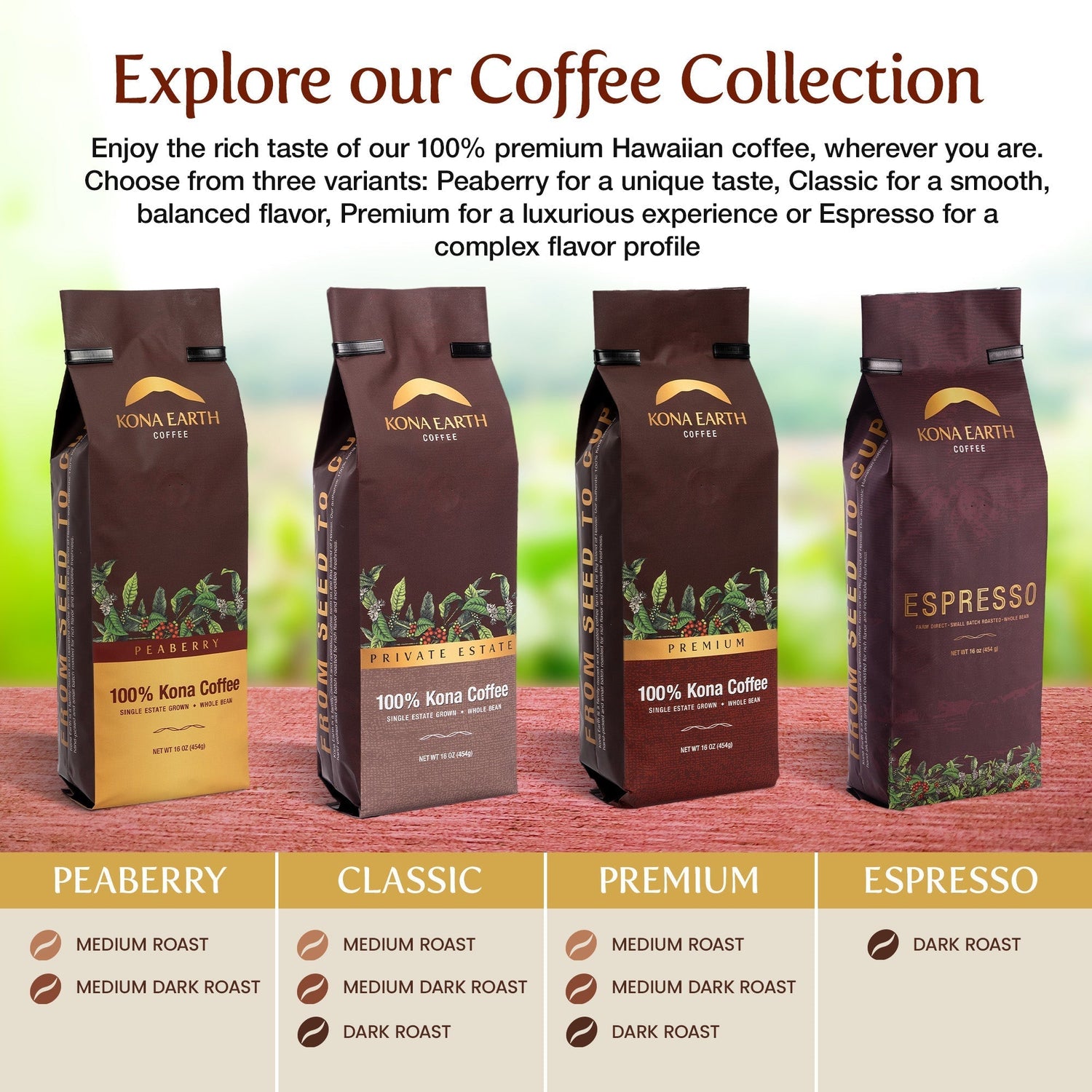
Kona Earth reflects this standard through a farm-direct approach built around authentic 100% Kona Coffee, small-batch roasting, and direct delivery from farm to cup. For buyers who want premium coffee without the uncertainty, that level of ownership matters.
Choose the Coffee You Can Name
The best coffee decisions often begin with a simple question: Can the seller clearly tell you what this coffee is and where it came from? If the answer is yes, you can buy with greater confidence. If the answer is vague, the premium story may be vague as well.
Choose coffee with an origin you can name, a process you can understand, and freshness you can anticipate. Then each cup becomes more than a morning habit. It becomes a direct connection to Kona, carefully carried from the farm to your table.
Comments (0)
Leave a Comment