
A bag can say Kona, premium, or Hawaiian-inspired and still leave the most meaningful details unclear: where the coffee was grown, what percentage is actually Kona, when it was roasted, and how many hands handled it before it reached your kitchen. That is the real difference in farm direct coffee vs retail. One model starts with a traceable origin and a shorter path to your cup. The other often starts with shelf placement, broad distribution, and a label that may require a closer look.
For coffee drinkers who want a richer daily ritual, the question is not simply where to buy coffee. It is whether the coffee in the bag reflects the place, care, and freshness that made it worth choosing in the first place.
Farm Direct Coffee vs Retail: The Essential Difference
Farm-direct coffee is sold with a direct connection between the producer or estate and the customer. The path is intentionally short: coffee is cultivated at origin, prepared, roasted in small batches, and fulfilled with fewer layers between the crop and your home. That connection gives buyers a clearer view of what they are receiving.
Retail coffee is built for scale. It may pass through importers, warehouses, distributors, retail buyers, and store shelves before purchase. This system can be convenient, especially when you need to pick up a bag while running errands. But every added step can create distance from the source and more time between roasting and brewing.
Neither model is automatically good or bad. A thoughtful retailer can stock excellent coffee, and a direct seller still needs disciplined sourcing and roasting standards. The distinction is that farm-direct coffee makes origin, handling, and product identity easier to verify. For 100% Kona Coffee, where authenticity matters deeply, that visibility is a meaningful advantage.
Origin Purity Is More Than a Label
Kona coffee comes from a remarkably specific growing region on Hawaii Island. Its reputation comes from more than a famous name. Volcanic soil, elevation, cloud cover, rainfall, and careful cultivation shape a cup known for smooth body, gentle brightness, and a refined, naturally sweet finish.
That specificity also makes Kona a name worth protecting. Some retail bags prominently feature the word Kona while containing only a small portion of coffee grown in the Kona region. The package may meet labeling rules, yet the experience in the cup can be far from the character people expect when they choose Kona.
With farm-direct buying, the product claim is simpler to examine. Look for clear language such as “100% Kona Coffee,” not a vague island reference or a blend that leaves the Kona percentage unstated. A premium coffee should not make you guess what is inside the bag.
This is where direct sourcing earns its place. You are not paying for a Hawaii-inspired story alone. You are choosing coffee with a defined origin and a more accountable route from farm to cup.
Freshness Has a Noticeable Flavor Advantage
Coffee is at its most expressive after roasting, when its aromatics, oils, and layered flavors are ready to meet hot water. Over time, exposure to oxygen gradually softens those qualities. A sealed bag helps preserve coffee, but it does not stop the clock.
Retail coffee must be planned around inventory. It may need to sit in a distribution center, travel to a store, wait in the aisle, and remain available through a retailer’s selling window. That does not mean every retail bag is old, but freshness is often less predictable.
A farm-direct model can roast closer to fulfillment. For the customer, that often means opening a bag with a more vivid aroma and brewing a cup with greater clarity. The difference can appear in small but satisfying ways: a fuller fragrance when you grind, more lively sweetness at the first sip, and a finish that stays clean rather than flat.
Freshness is especially valuable for nuanced coffee. A 100% Kona Coffee is not meant to be hidden beneath heavy roast character or lost in a generic, one-note cup. It deserves the chance to show its balance.
What Fresh Coffee Should Feel Like
Freshness is not only a date on a label. It is sensory. Whole beans should release a warm, inviting fragrance when ground. The brewed cup should have definition - perhaps soft fruit, toasted nut, cocoa, brown sugar, or floral notes depending on the roast and harvest - without tasting stale, papery, or dull.
Your brewing method matters, too. A pour-over may reveal delicate details, while a drip brewer can make an effortless, polished everyday cup. A press can emphasize body and richness. Farm-direct coffee does not demand a complicated routine. It simply gives your preferred method better material to work with.
What You Are Paying For in Each Model
A retail price reflects more than coffee. It can include distribution margins, shelf fees, inventory costs, packaging designed for extended display, and the operational demands of broad availability. Those costs are part of a useful system, but they can make it harder to see how much of the price supports coffee quality at origin.
Farm-direct coffee is often priced as a premium product because true origin coffee is limited, carefully handled, and sold under closer quality control. The value is not that it will always be the least expensive choice. The value is that the purchase can carry more proof: a verified place of origin, a deliberate roast, and a product not built around mass-market compromise.
For an occasional coffee drinker, retail convenience may be enough. For someone who brews every morning, serves coffee to guests, sends meaningful gifts, or wants a dependable subscription, direct buying can make more sense. A better bag changes dozens of small moments over the course of a month.
Convenience Can Still Be Luxurious
Retail has one obvious advantage: immediate access. You see the bag, put it in your cart, and take it home. Farm-direct coffee asks for a little planning, especially if you do not want to run out between orders.
That trade-off is easy to manage with a recurring delivery schedule. A coffee club or subscription replaces the last-minute grocery decision with a regular arrival of coffee selected for your routine. It can also make premium coffee feel more practical: your preferred roast arrives when you need it, rather than when a shelf happens to be stocked.
For gifting, farm-direct has another advantage. A bag of authentic 100% Kona Coffee carries a sense of place that a generic gift rarely does. Paired with Hawaiian sweets or a thoughtfully assembled gift presentation, it becomes an experience rather than a default purchase.
How to Buy With More Confidence
The strongest coffee purchases begin with a few direct questions. Is the origin named clearly? Does the product label say "100% Kona Coffee" if that is what you expect? Is there a roast date or a transparent approach to roasting and fulfillment? Can the seller explain what makes the coffee distinctive without hiding behind broad marketing language?
Be equally careful with terms that sound premium but do not confirm much on their own. “Gourmet,” “island,” and “estate-style” can be appealing, yet they are not substitutes for specific origin information. A trustworthy coffee seller gives you enough detail to understand the product before the first brew.
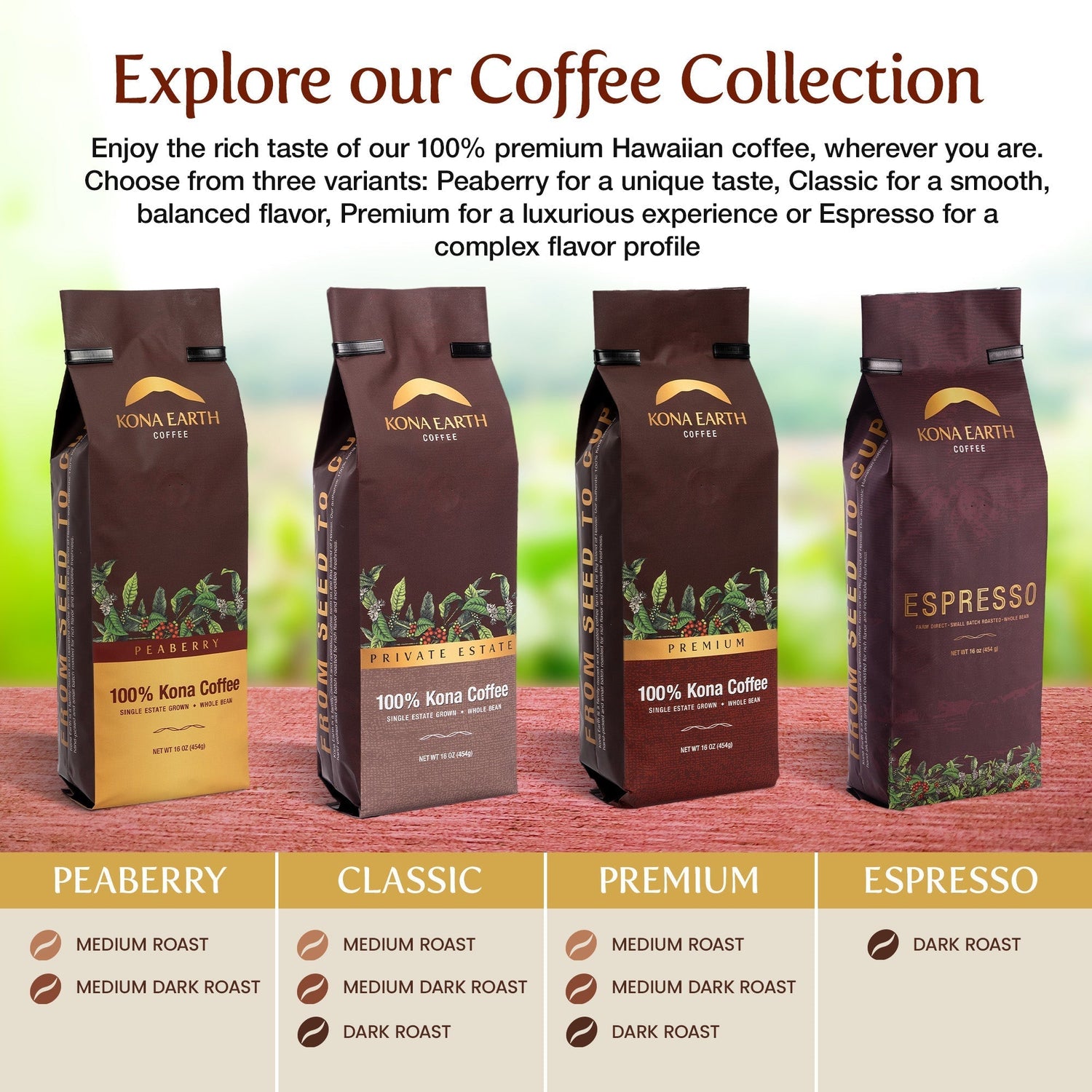
At Kona Earth, the focus is on award-winning, small-batch roasted 100% Kona Coffee with a direct crop-to-cup connection. That is a promise designed for coffee drinkers who want the reassurance of authenticity alongside the pleasure of an exceptional cup.
Choose the Cup You Want to Return To
Farm-direct coffee is not about making every grocery-store bag seem unworthy. It is about recognizing that coffee with a rare origin deserves a purchasing model that protects its identity. When fewer steps separate Hawaii’s Kona region from your kitchen, there is more room for freshness, clarity, and confidence in what you are brewing.
The next time you reach for coffee, let the label tell you more than a mood. Choose a cup with a real place behind it, then give yourself a quiet moment to taste the difference.
Comments (0)
Leave a Comment