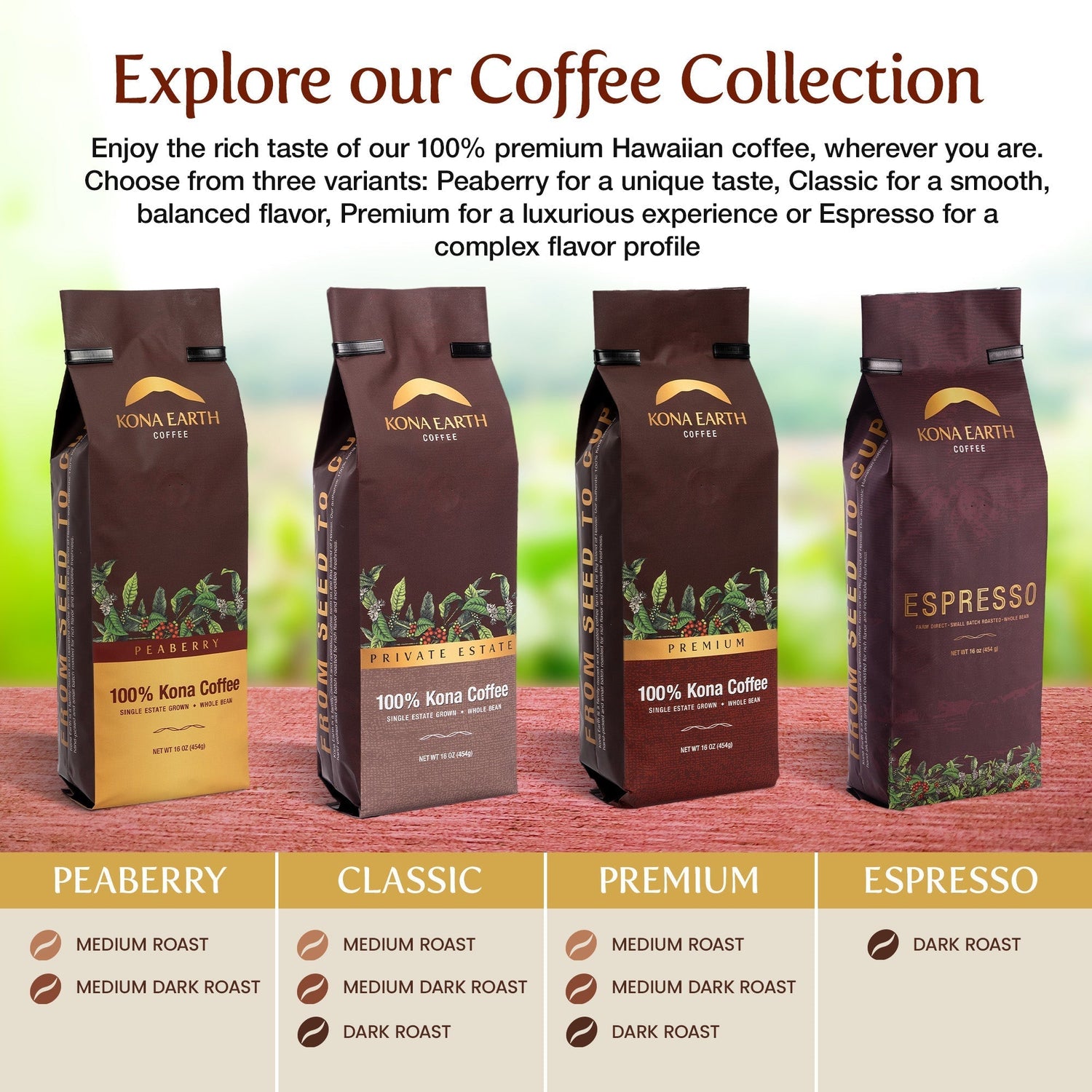

A bag of exceptional coffee should carry more than a beautiful label. It should carry certainty: certainty about where it was grown, who handled it, when it was roasted, and why its flavor arrived intact. This farm fulfillment case study examines what changes when 100% Kona coffee moves from a direct farm source to a customer’s cup without being absorbed into the anonymous machinery of commodity coffee.
For premium coffee buyers, that difference is not a marketing detail. It is the foundation of the experience. Authentic Kona coffee has a distinct sense of place, shaped by Hawaii’s growing conditions and expressed through careful cultivation and roasting. Protecting that character requires control well beyond the farm itself.
The Challenge: Preserving What Makes Kona Coffee Rare
The specialty coffee journey can become diluted long before a customer opens a bag. Coffee may pass through several warehouses, processors, resellers, and fulfillment partners. Each additional handoff creates distance between the farm and the person brewing the coffee. It can also make freshness, origin, and handling harder to verify.
That model may work for mass-market coffee. It is a poor fit for a product purchased specifically for its origin.
Kona Earth built its approach around a more direct proposition: award-winning, 100% Kona coffee, small-batch roasted and shipped from the farm. The goal is not simply to move coffee efficiently. It is to preserve the sensory qualities that make Kona coffee worth seeking out while giving customers a clear connection to its Hawaiian source.
The central business question is simple: how can a farm deliver a premium, repeatable customer experience at ecommerce speed without surrendering the standards that define its coffee?
Farm Fulfillment Case Study: Control at Every Stage
Farm-direct fulfillment brings the production and delivery story into one accountable chain. Rather than treating cultivation, roasting, packing, and shipping as separate businesses with separate priorities, the model keeps them aligned around one outcome: coffee that arrives fresh, authentic, and ready for an exceptional brew.
That alignment starts with origin purity. Customers looking for 100% Kona coffee are not searching for a vague Hawaiian association. They want coffee tied to the Kona region, with the distinctive quality and credibility that origin represents. A direct farm model makes that promise easier to stand behind because the coffee’s path remains visible from crop to cup.
It also creates a better standard for decision-making. The people responsible for the coffee can consider the whole customer experience, from the condition of the finished beans to the presentation of the package at a doorstep. There is no need to rely on a distant distributor to understand why freshness matters to a customer purchasing premium whole bean coffee.
Small-Batch Roasting Keeps the Experience Close to Peak Flavor
Roasting is where coffee’s potential becomes a daily ritual. It is also where a farm-direct model can make its most immediate difference. Small-batch roasting allows the finished coffee to be prepared in closer rhythm with customer demand, instead of sitting through a long, uncertain retail supply chain.
For the customer, this means a more vivid cup. Freshly roasted 100% Kona coffee can present the smooth body, inviting aroma, and refined character that coffee lovers expect from this celebrated origin. Whole beans help preserve that experience until brewing, allowing the customer to grind for their preferred method and enjoy the coffee on their own schedule.
Small batches do involve trade-offs. They demand planning, attentive inventory management, and a willingness to prioritize quality over the lowest possible unit cost. But for a luxury coffee purchase, that is the right trade. A coffee selected for its rare origin should not be treated like an interchangeable shelf product.
Packing Is Part of the Product, Not an Afterthought
A farm-direct order is often the first physical interaction a customer has with the brand. The package should reinforce the confidence created by the coffee itself. Clear product identity, thoughtful presentation, and dependable order accuracy all contribute to the feeling that the purchase was handled with care.
This matters especially for gifts. A customer sending Kona coffee to a client, family member, or host is trusting the brand with an occasion. A farm-fulfilled order can pair coffee with Hawaiian sweets, gourmet gifts, or other complementary items while keeping the experience cohesive. The recipient receives more than a collection of products. They receive a polished taste of Hawaii.
For recurring orders, care in fulfillment has another purpose: trust. A Kona Coffee Club member expects consistency without having to think about the next shipment. The coffee must arrive as promised, with the same attention to quality that inspired the first purchase. Reliable fulfillment turns a single moment of discovery into a lasting coffee ritual.
Why Direct Fulfillment Builds Customer Confidence
Premium customers do not need more vague claims. They need meaningful proof that the product in their cart matches the promise on the package.
A direct farm relationship answers practical questions that matter. Where did this coffee come from? Is it truly 100% Kona coffee? Was it roasted with freshness in mind? Who is responsible if the order is not right? When one business stays closely involved through growing, roasting, and fulfillment, those answers are more direct.
That accountability is particularly valuable in the Kona category, where shoppers may encounter products that emphasize Hawaiian imagery while offering little clarity about the coffee inside. The farm-direct model places origin at the center of the transaction rather than using it as decoration. It gives customers a reason to feel confident that they are choosing genuine Kona coffee, not a diluted interpretation of it.
There is an emotional advantage as well. Coffee is a small luxury, but it is also a repeated one. Opening a fresh bag in the morning, inhaling the aroma, and preparing a favorite brew can make an ordinary day feel more considered. Knowing that the coffee traveled directly from its source gives that ritual an added sense of place.
The Ecommerce Advantage: Freshness Without Losing Convenience
Direct-to-consumer coffee must satisfy two expectations at once. It must feel personal and artisanal, but ordering must remain simple. Customers should be able to select a favorite coffee, choose a gift, build a bundle, or arrange recurring delivery without sacrificing the confidence that comes with buying from a farm source.
Farm fulfillment supports this balance. It connects the efficiency of ecommerce with the credibility of a producer-led supply chain. Instead of asking customers to choose between convenience and authenticity, it offers both in one purchase.
The approach is especially effective for several types of buyers. The experienced coffee enthusiast values traceability and fresh whole beans. The gift shopper wants an elevated present with a genuine Hawaiian story. The subscription customer wants a dependable supply of coffee worth anticipating. In each case, direct fulfillment makes the value proposition more tangible.
It also allows a brand to protect its premium position. Competing only on discounts can reduce an exceptional coffee to a price comparison. Leading with verified origin, small-batch roasting, and direct delivery gives customers better reasons to return. Savings on recurring deliveries or thoughtfully assembled bundles can still be part of the offer, but they support the experience instead of replacing it.
What This Model Requires Behind the Scenes
Farm-direct fulfillment is not automatically superior just because a farm ships orders itself. The promise depends on disciplined execution. Inventory must be managed carefully. Roasting schedules need to reflect demand. Packaging must protect the coffee in transit. Customer service must be responsive when an order requires attention.
The model works best when every stage serves the same standard. The farm cannot focus only on growing excellent coffee while treating shipping as someone else’s problem. Nor can the ecommerce operation focus only on speed while overlooking the details that preserve freshness and presentation.
That shared responsibility is the real advantage. It keeps quality close to the people best equipped to protect it.
For customers, the result is refreshingly clear: authentic 100% Kona coffee, roasted in small batches and sent directly from the farm. The next time you choose coffee for your morning ritual or a gift worth remembering, look beyond the label and consider how the coffee makes its way to you. The journey is often where the difference in the cup begins.
In this video, Kona Earth owner Joanie Wynn shares their farm-direct fulfillment process:
Comments (0)
Leave a Comment