

The moment you open a bag of freshly roasted coffee, the difference is immediate. Aromatic oils rise from the beans with notes that can feel like warm caramel, toasted nuts, bright citrus, or cocoa. That fragrance is not a marketing flourish. It is one of the clearest signs that the coffee has been handled with care from roast to delivery.
For coffee drinkers who choose 100% Kona Coffee, freshness protects something especially valuable: a rare regional character shaped by Hawaii's volcanic soil, gentle elevation, and island climate. A careful roast should reveal that character, not bury it under bitterness, stale flavors, or heavy smoke.
What Freshly Roasted Coffee Really Means
Freshly roasted does not simply mean coffee that was roasted recently. It means coffee that has moved through a thoughtful sequence: quality-grown beans, deliberate small-batch roasting, proper resting, protective packaging, and prompt shipment. Each stage affects what reaches your cup.
Green coffee beans are stable for far longer than roasted beans. Once roasting begins, heat transforms their structure and develops the aromatic compounds associated with great coffee. The process also starts the clock. Roasted beans gradually release carbon dioxide, and exposure to oxygen, moisture, heat, and light can dull the flavors that made the roast special in the first place.
The goal is not to brew coffee seconds after roasting. Beans need time to rest and release excess gas. For most whole-bean coffees, a short resting period allows the flavor to settle and makes brewing more consistent. After that, the best window is shaped by roast style, storage, and personal preference, but coffee is generally most expressive when enjoyed within weeks rather than left forgotten in a pantry for months.
Why Freshness Changes the Cup
Freshness is easiest to recognize through aroma, but its influence goes much further. A well-kept, recently roasted coffee tends to offer a more vivid balance of sweetness, acidity, body, and finish. Its flavors feel defined rather than flat.
With 100% Kona Coffee, that distinction can be especially rewarding. A nuanced cup may carry silky sweetness, gentle fruit tones, a clean finish, and a polished body. When the beans are old or poorly stored, those details become harder to find. The cup can taste muted, papery, overly woody, or simply less alive.
Fresh beans also behave differently during brewing. They often bloom more visibly when hot water first meets freshly ground coffee, releasing carbon dioxide in a fragrant expansion. The bloom alone does not guarantee exceptional coffee, but it is a useful sign that the beans still have energy and aromatic potential.
There is a trade-off worth understanding. Chasing the newest possible roast date without allowing adequate rest can make brewing unpredictable, particularly for espresso. Coffee that has rested properly can deliver a more balanced extraction than coffee brewed immediately after roasting. The ideal is not rushed coffee. It is coffee roasted with precision, rested with purpose, and shipped while its character is still at its peak.
Freshly Roasted Coffee Starts at the Farm
A farm-direct model gives coffee producers more control over the moments that matter. Rather than treating roasting and fulfillment as disconnected steps, the same source can oversee the coffee from crop to cup: growing, processing, sorting, roasting, packing, and sending it directly to the customer.
That continuity helps preserve quality. It creates clearer accountability for bean selection, roast profiles, packaging standards, and the time between roasting and shipment. It also gives customers a more direct connection to origin, rather than asking them to trust a broad regional label with little detail behind it.
Authenticity matters in the Kona category. Kona is a specific growing region on Hawaii's Big Island, and its name carries a reputation earned through distinct conditions and careful cultivation. For buyers seeking the real experience, 100% Kona Coffee provides confidence that the cup reflects the origin they chose - not a diluted blend using Kona as a small supporting ingredient.
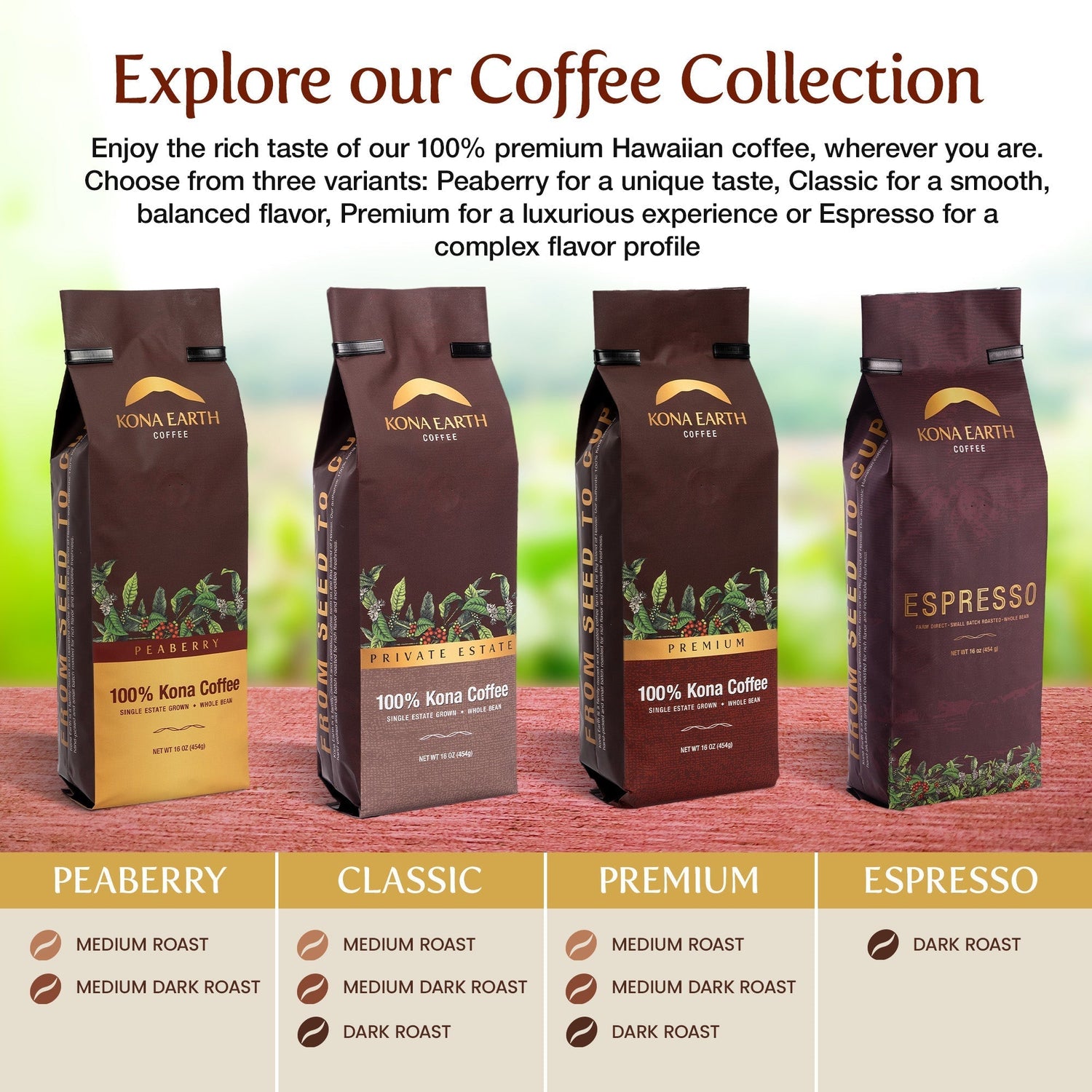
At Kona Earth, small-batch roasting and direct-from-farm fulfillment are designed around that principle. The focus is not only on getting coffee to your door. It is on delivering whole beans with the aromatic depth, polished flavor, and origin integrity that make authentic Kona memorable.
Whole Beans Hold Flavor Longer
If freshness is a priority, whole beans are the strongest place to begin. Grinding dramatically increases the coffee's surface area, which allows aromas and oils to escape much faster. A pre-ground coffee may be convenient, but it gives up a meaningful part of the sensory experience before brewing even begins.
Grinding just before brewing preserves more of the fragrance you notice in the bag and more of the flavor you taste in the cup. It also gives you control over extraction. A coarser grind can suit methods with longer contact time, while a finer grind works better for faster brewing approaches. The right grind does not turn ordinary beans into extraordinary coffee, but it lets exceptional beans show their best qualities.
You do not need a complicated setup to make the most of fresh whole beans. A dependable burr grinder, clean water, an accurate coffee-to-water ratio, and attention to temperature will go a long way. Start with a medium grind and adjust based on the cup: if it tastes thin or sour, try a slightly finer grind; if it tastes harsh or dry, go a little coarser.
How to Keep Coffee Fresh at Home
The best storage approach is simple: keep coffee sealed, cool, dry, and away from light. A pantry or cabinet away from the stove is usually a better choice than an open countertop near sun and heat.
Leave the beans in their original resealable bag if it is designed to protect freshness, or use an airtight opaque container. Avoid transferring coffee repeatedly between containers, as every extra exposure introduces more air. Buy an amount you expect to enjoy while the coffee is still at its most expressive instead of stocking up far beyond your usual pace.
Refrigeration is usually not the answer for everyday coffee storage. Frequent temperature changes can introduce condensation and allow the beans to absorb surrounding odors. If you need to keep coffee for an extended period, divide it into tightly sealed portions before freezing so you only open what you plan to use. For most households, however, ordering in sensible quantities and brewing consistently is the more satisfying strategy.
Roasting Is About More Than Darkness
A darker-looking bean is not automatically fresher, stronger, or better. Roast level should serve the coffee, revealing the qualities of the bean while creating the body and finish the drinker enjoys. With premium origin coffee, careful roasting calls for restraint as well as skill.
Medium roast profiles can highlight delicate acidity and fruit-forward notes. Medium dark roasts often bring a balance of sweetness, body, and origin character. More developed roasts can emphasize deeper caramelized flavors and a richer texture. The right choice depends on how you brew and what you want from your daily cup.
What should remain constant is quality control. Small-batch artisanal roasting makes it easier to monitor development closely, adjust for the character of each lot, and avoid treating every coffee as though it should taste the same. That attention is particularly meaningful for a coffee as distinctive as 100% Kona.
Make Fresh Coffee Part of the Ritual
Fresh coffee is one of the simplest forms of everyday luxury. It asks for a few more intentional moments: measuring the beans, hearing the grinder work, noticing the bloom, and pausing for the first sip before the day gathers speed.
For gifting, a bag of freshly roasted 100% Kona Coffee offers more than a pantry staple. It brings a sense of place to the recipient's morning, whether paired with Hawaiian sweets, a thoughtful breakfast, or a quiet weekend table. For regular coffee drinkers, recurring delivery can help keep that experience close without relying on coffee that has spent too long on a shelf.
Choose coffee with a clear origin, a careful roast, and a path from the farm that does not leave freshness to chance. Then brew it with enough attention to notice what the beans have been waiting to share.
Comments (0)
Leave a Comment