
You see the word Kona on a bag, the price looks surprisingly low, and the promise sounds tempting. That is usually the moment to slow down. If you want to know how to identify authentic kona coffee, the real test is not the front label alone. It is the origin statement, the coffee content, the producer transparency, and whether the seller is proud to show exactly what is in the bag.
Kona coffee holds its reputation for a reason. Grown on the slopes of Hawaii's Big Island, true Kona develops a smooth, refined cup with low bitterness, bright acidity, and layered notes that can range from honey and brown sugar to citrus and roasted nuts. That flavor profile, along with limited production, makes it one of the most sought-after coffees in the world. It also makes it one of the most imitated.
Why authentic Kona coffee is often confused
The confusion starts with labeling. Many shoppers assume that if a bag says Kona, it contains pure Kona coffee. That is not always the case. Some products are labeled as Kona blends, which can legally contain only a small percentage of Kona coffee and still use the name prominently on the package. The rest may be lower-cost beans from entirely different regions.
That does not make every blend dishonest. Some brands clearly disclose the percentage and position the product accordingly. But if your goal is a true Kona experience, a blend is not the same as 100% Kona coffee. The distinction matters in flavor, value, and authenticity.
How to identify authentic Kona coffee on the label
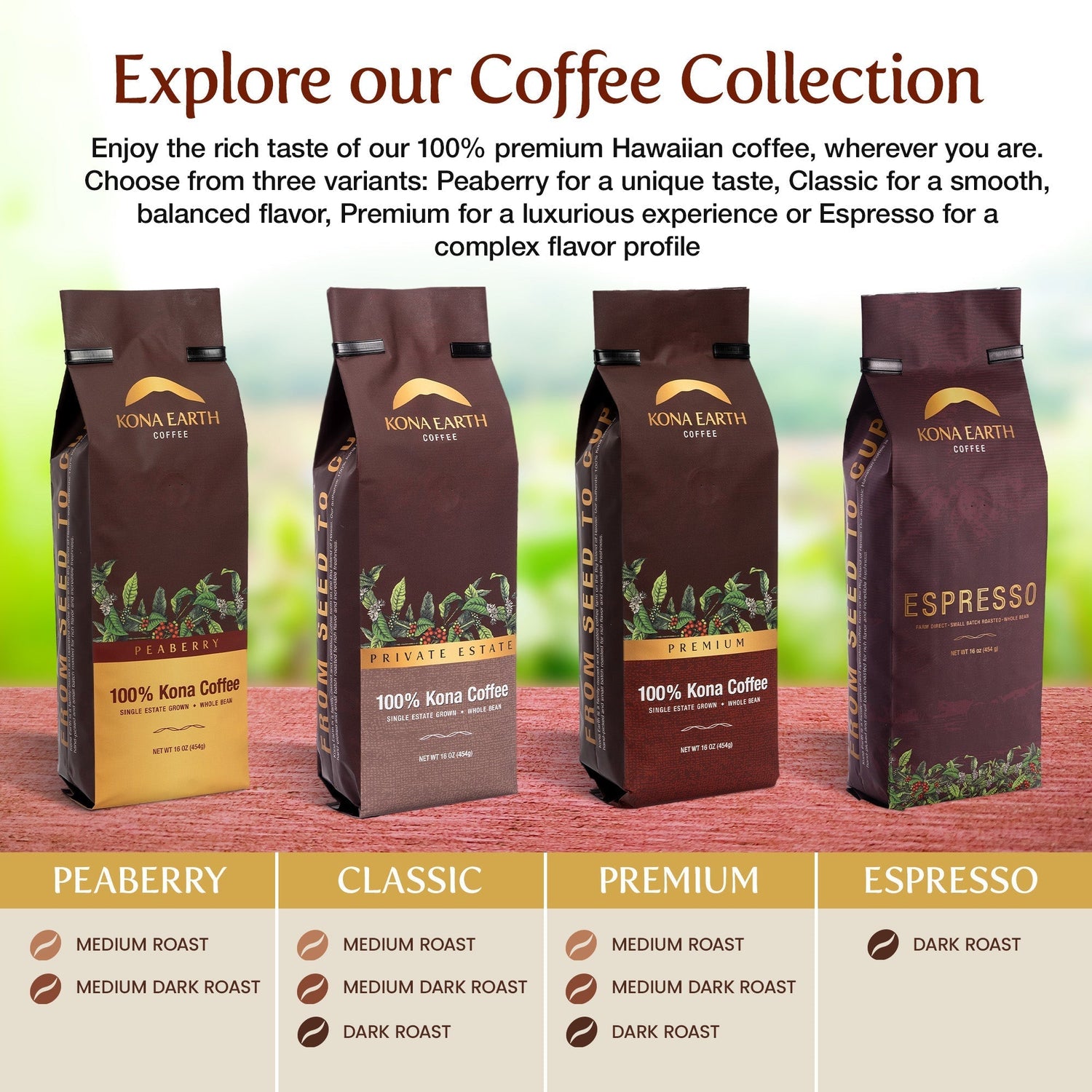
The most reliable place to start is the package itself. Authentic Kona coffee should clearly state 100% Kona coffee. If the bag says Kona blend, Hawaiian blend, or Kona roast, that is your sign to look closer. Those phrases may sound premium, but they do not guarantee origin purity.
Turn the bag over and read the fine print. A trustworthy producer will usually state that the coffee was grown in the Kona District of Hawaii and will not hide behind vague language like island-style or Hawaiian inspired. If the coffee is truly premium, the seller should treat origin as a credential, not a mystery.
You should also look for roast information and production details. Small-batch roasted coffee, harvest references, roast dates, or farm sourcing notes all suggest a more serious product. They are not proof by themselves, but they often separate specialty-grade coffee from mass-market packaging.
The difference between 100% Kona and Kona blends
If you are learning how to identify authentic kona coffee, this is the line you cannot afford to miss. A 100% Kona coffee is made entirely from beans grown in the Kona region. A Kona blend may contain only a modest amount of Kona coffee mixed with beans from elsewhere.
The trade-off is usually price. Blends are cheaper, more widely available, and often marketed to shoppers who want the Kona name without the premium cost. But flavor can be inconsistent, and the cup will not deliver the same origin character that makes Kona special in the first place.
If a bag is priced like an everyday grocery coffee but marketed as Kona, that should raise questions. Authentic Kona coffee commands a premium because the land is limited, labor is high, and production standards are exacting. Bargain pricing and true Kona rarely belong in the same sentence.
Look for producer and farm transparency
Real origin coffee should come with a real story. Not a vague lifestyle story, but details that can stand up to scrutiny. Who grew it? Where was it processed? Who roasted it? Was it sourced directly from a farm or estate, or passed through multiple anonymous channels?
The best sellers of authentic Kona coffee are specific. They talk about the Kona growing region with confidence. They share facts about cultivation, elevation, milling, or roasting. They understand that premium buyers want traceability, not just branding.
This is where farm-direct sourcing becomes especially meaningful. Coffee that moves from farm to cup with minimal distance between origin and customer tends to offer better freshness and more credibility. If a company is committed to authenticity, it should be able to explain how the coffee got from the slopes of Kona to your kitchen without becoming a mystery along the way.
Certifications and official marks can help
Depending on the producer, you may see state or regional marks that support origin claims. These can be helpful, but they should be part of the picture, not the whole picture. A logo is useful only when the rest of the product information matches the claim.
What matters most is consistency. If the front label says premium Kona, but the back panel is vague about percentages, origin, or producer details, the packaging is doing more work than the coffee credentials. Authentic products tend to be direct and easy to verify.
How authentic Kona coffee should taste
Taste is not the first filter, but it is an important one. True Kona coffee is known for balance. It is often smooth rather than sharp, aromatic rather than smoky, and nuanced rather than aggressively bitter. You may notice notes of milk chocolate, toasted nuts, light fruit, caramel, or gentle spice, depending on roast level and farm.
If the cup tastes flat, overly harsh, or burnt, a few explanations are possible. It could be stale. It could be roasted too dark. Or it may not be high-quality Kona at all. Taste alone cannot confirm authenticity, but when a coffee claims a luxury origin and fails to deliver a clean, elegant cup, skepticism is fair.
It also depends on what you buy. A darker roast can mute some of Kona's natural sweetness and fruit. A medium roast often reveals more of the origin character. Neither is automatically right or wrong, but if you want to experience what makes Kona distinctive, roast style matters.
Where you buy matters as much as what you buy
Retail channel says a lot about credibility. Generic marketplace listings and souvenir-style packaging often lean heavily on the Kona name while offering very little sourcing clarity. On the other hand, specialty coffee sellers with a direct relationship to the region usually provide more detail, better freshness, and more confidence in what you are buying.
This is especially important for gift buyers and subscription shoppers. If you are sending coffee as a premium gift or committing to recurring delivery, you want assurance that the product inside the box matches the promise on the outside. Authenticity is part of the luxury.
Brands built around 100% Kona coffee, direct farm fulfillment, and small-batch roasting generally make that standard easier to trust. Kona Earth is one example of a source that positions authenticity as the core product, not a side note.
Common red flags to watch for
A few warning signs show up again and again. The first is unclear wording. If the package uses Kona in big type but avoids stating 100% Kona coffee, there is usually a reason. The second is suspicious pricing. True Kona is a premium agricultural product, not a discount commodity.
The third red flag is a lack of traceability. If you cannot tell where the coffee was grown, who produced it, or what percentage is actually Kona, you are being asked to buy on image alone. That may work for novelty souvenirs. It is not good enough for specialty coffee.
Finally, be careful with packaging that leans more on Hawaiian imagery than coffee facts. Palm trees and paradise language can be beautiful, but they should support real origin credentials, not replace them.
How to buy with confidence
If you want the real thing, buy with a simple standard. Look for 100% Kona coffee, clear Kona origin disclosure, transparent producer information, and pricing that reflects rarity rather than mass-market positioning. Favor sellers who treat traceability as part of the value, not an afterthought.
When possible, choose coffee that is roasted in small batches and fulfilled close to the source. Freshness matters, and so does custody. The fewer gaps between grower and customer, the easier it is to trust what is in your cup.
Authentic Kona coffee is not just about avoiding a misleading label. It is about choosing a coffee worthy of the name - smooth, distinctive, and genuinely connected to one of the world's most celebrated growing regions. Once you know what to look for, the difference becomes much easier to taste.
Comments (0)
Leave a Comment