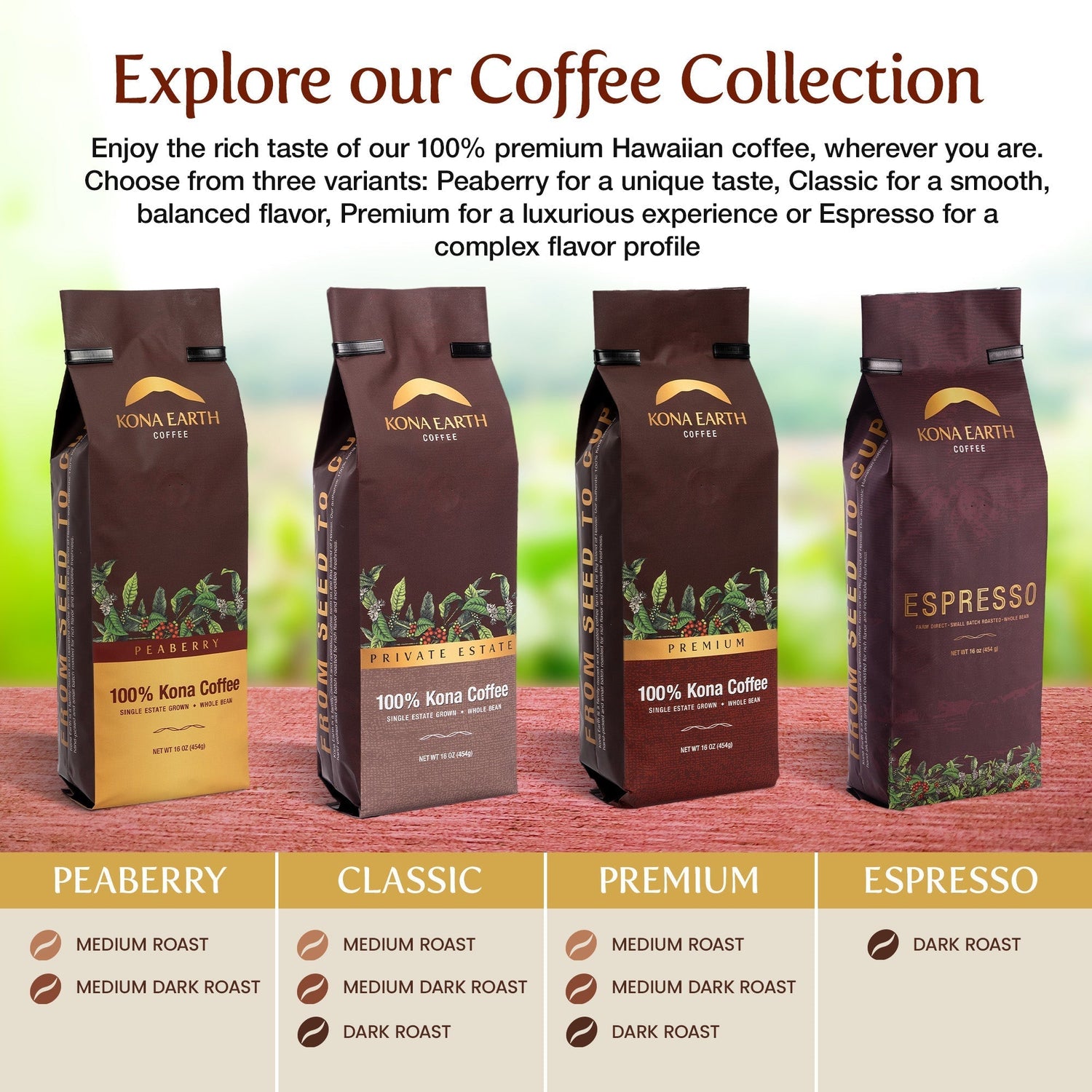

A coffee can claim heritage, rarity, and premium taste, yet still leave buyers guessing about what is actually in the bag. That is exactly why crop to cup coffee sourcing matters. When the path from harvest to roasting to fulfillment is clear, quality becomes easier to trust, and for origin-specific coffee like 100% Kona Coffee, that trust is everything.
For buyers who care about flavor as much as authenticity, sourcing is not background information. It shapes the cup. It affects freshness, consistency, and whether the coffee in your kitchen truly reflects the place it came from. In a category where labels can sound impressive without saying much, direct visibility from crop to cup offers something far more valuable - proof.
What crop to cup coffee sourcing actually means
Crop to cup coffee sourcing is a direct, traceable model that follows coffee from the farm through processing, roasting, and delivery. It is not just a marketing phrase for premium packaging. At its best, it means the origin remains visible at every stage, with fewer handoffs and fewer chances for quality to get diluted.
That distinction matters most with specialty coffee tied to a specific place. 100% Kona Coffee is prized because of where it is grown and how it tastes when that origin is preserved. The floral aromatics, smooth body, and bright, balanced finish people expect from authentic Kona cannot be separated from sourcing discipline. If the chain becomes vague, the product story often does too.
A true crop-to-cup approach gives customers more than a romantic sense of origin. It gives them confidence that the coffee was handled with care, roasted for character rather than volume, and shipped with freshness in mind. For premium buyers, that is not an extra. It is the standard.
Why crop to cup coffee sourcing changes quality
Coffee quality is cumulative. It does not depend on one dramatic moment. It comes from many careful decisions made in sequence, beginning with cultivation and harvest timing and continuing through roasting and fulfillment. When those steps are connected, the final cup tends to show more clarity and integrity.
Harvest timing is a good example. Coffee cherries picked at the right point of ripeness create cleaner sweetness and more developed flavor. Processing then determines how much of that character is preserved. Roasting either reveals those qualities or buries them. By the time the coffee reaches the customer, every earlier choice is still present in the cup.
This is where a direct model stands apart. The fewer the disconnects between origin and customer, the easier it is to protect what makes the coffee special in the first place. That is especially relevant for small-batch, award-winning coffees, where subtle sensory differences are the reason people buy them.
There is also a practical side to quality. Coffee that moves through a tighter, more controlled supply chain is often fresher. That does not mean every direct coffee is automatically superior, because execution still matters. But when crop to cup coffee sourcing is done well, it usually supports the things premium customers can taste immediately - aroma, sweetness, balance, and a more expressive finish.
Authenticity matters even more with 100% Kona Coffee
Not every origin faces the same challenge. Kona does. The name carries prestige, and that prestige makes authenticity essential. Buyers are not simply shopping for coffee. They are choosing a specific origin with a distinct reputation and a flavor profile shaped by the Kona region itself.
That is why vague sourcing creates risk. If a coffee leans on Kona imagery without delivering real origin confidence, the premium disappears quickly. For a discerning customer, packaging alone is never enough. They want to know the coffee is genuinely 100% Kona Coffee, not a loose interpretation of it.
Crop to cup sourcing helps close that trust gap. It ties the customer experience back to the actual product, not just the branding. When the sourcing model is direct and the origin remains central through roasting and fulfillment, the result feels more credible because it is more credible.
For gift buyers, this matters too. A premium coffee gift should feel elevated, not uncertain. The value comes from knowing the coffee is authentic, carefully produced, and worthy of the occasion. That confidence makes a luxury purchase feel justified.
What premium buyers should look for
The strongest sourcing stories are usually the clearest ones. If a brand is serious about crop to cup coffee sourcing, it should be able to communicate where the coffee comes from, how it is handled, and why that process protects quality. The language should feel specific, not inflated.
Look for a clear commitment to 100% Kona Coffee rather than generic references to Hawaiian style or island inspiration. Those details are not interchangeable. Origin purity is a meaningful quality signal, especially in a premium category.
It also helps to look at fulfillment logic. Coffee that is roasted in small batches and shipped directly is better positioned to arrive with its flavor intact than coffee that spends long periods sitting in broad distribution channels. Again, there are trade-offs. Large-scale systems can offer convenience, but they often put distance between the farm and the cup. For buyers who prioritize taste and authenticity, that distance can cost too much.
Awards and product recognition can add confidence, but they should support the sourcing story, not replace it. The best premium coffees combine both - respected quality and transparent origin.
The difference between a direct model and a commodity model
Commodity coffee is built for scale. That does not make it inherently wrong, but it does change the experience. Coffee from multiple sources may be blended for consistency, moved through many intermediaries, and positioned around price rather than distinction. The result can be serviceable, but it rarely feels intimate or origin-driven.
A crop-to-cup model is built differently. It treats origin as the center of value, not a decorative detail. That usually means more careful lot selection, more intentional roasting, and a customer experience shaped around provenance rather than mass-market convenience.
For some shoppers, commodity coffee is enough. They want familiarity and low effort. But buyers who seek premium flavor, gifting appeal, or an elevated daily ritual tend to want more than a generic cup. They want coffee that still carries the identity of where it was grown.
That is where direct sourcing earns its place. It makes the experience feel closer to the source and often more luxurious because the product has not been flattened into sameness.
Why this sourcing model fits the modern premium coffee ritual
The best coffee purchases today are not only about caffeine. They are about ritual, taste, and confidence. People want to know that the product they are choosing reflects their standards. They want fewer compromises, not more storytelling without substance.
Crop to cup coffee sourcing fits that mindset because it aligns product quality with product truth. It tells the customer that what they are paying for is real - real origin, real care, real flavor. For 100% Kona Coffee, that alignment matters even more because the origin itself is such a defining part of the experience.
This is also why subscriptions and repeat purchasing work so well for farm-direct premium coffee. Once customers find a source they trust, they do not want to restart the search. They want the same verified quality delivered consistently, with the reassurance that the coffee in each order reflects the same sourcing standards.
For a brand like Konaearth.com, that crop-to-cup promise is not just a sourcing detail. It is the value proposition. It connects award-winning coffee, direct farm fulfillment, and the appeal of authentic Hawaiian luxury into one simple benefit - knowing your cup began in the right place and stayed true to it.
When you choose coffee with a clear line from crop to cup, you are not paying for mystique. You are choosing freshness, authenticity, and flavor that have far less room to get lost along the way.
Comments (0)
Leave a Comment