
A bag of authentic 100% Kona coffee carries a higher price because it begins with a place that cannot be duplicated. Why is Kona coffee so expensive? The answer is not a single luxury label or a clever package. It is the result of limited land, demanding cultivation, hand-selected fruit, careful processing, and the cost of bringing a remarkably fresh Hawaiian coffee from the farm to your cup.
For coffee drinkers who want more than an ordinary morning routine, that difference is tangible. True Kona coffee offers a distinctive sense of origin: a smooth, balanced cup with gentle brightness, a full yet refined body, and the kind of clean finish that invites another sip.
Why Is Kona Coffee So Expensive? It Starts With Place
Kona coffee comes from a narrow growing region on the western slopes of Hawaii’s Big Island. The name is geographic, not a roast style or a flavor profile that can be recreated elsewhere. That small origin is one reason genuine 100% Kona coffee is naturally scarce.
The region’s environment gives coffee trees an unusual advantage. Mineral-rich volcanic soil, warm temperatures, elevation, and predictable afternoon cloud cover help create favorable conditions for slow, even cherry development. Coffee quality is built over months on the tree, and Kona’s setting supports the balance of sweetness, aroma, and acidity that makes the origin so sought after.
But a prized growing region is not the same as an unlimited one. There is only so much land within Kona’s coffee-growing belt, and much of it is managed in small lots. Unlike large commodity coffee regions that can produce enormous volumes, Kona’s annual supply remains limited. When demand rises for verified 100% Kona coffee, there is no vast reserve of acreage waiting to fill the gap.
The Harvest Requires a Human Eye
Coffee does not ripen all at once. On a single branch, some cherries may be deep red and ready for picking while others still need time. For a premium lot, harvesters return through the same trees repeatedly, selecting ripe cherries at their peak rather than stripping every fruit from a branch in one pass.
That attention costs more, particularly in Hawaii, where labor, land, equipment, and day-to-day farm operations cost more than in many coffee-producing regions. Yet it protects the quality in the cup. Ripe cherries contain the sugars and developed flavors needed for a sweet, composed coffee. Under-ripe fruit can introduce sharp or grassy notes; overripe fruit can compromise clarity.
After picking, the cherries still require prompt, disciplined handling. They must be sorted, processed, dried, rested, hulled, graded, and prepared for roasting. At every stage, quality-focused producers make choices that favor flavor over maximum volume. Sorting out imperfect beans may reduce the final yield, but it helps preserve the elegant consistency buyers expect from premium Kona.
Quality Control Reduces Volume, Not Standards
The expensive part of exceptional coffee is often what never makes it into the bag. Cherries that do not meet the desired ripeness, beans with defects, and lots that do not meet a producer’s quality expectations may be separated from a premium offering.
This is a meaningful trade-off. Lower-cost coffee is often designed around scale and efficiency. Authentic specialty Kona is designed around origin character and cup quality. The goal is a smaller amount of better coffee, even when that means more work per pound and a higher final price.
Fresh Roasting Adds Value You Can Taste
Green coffee is only the beginning. Roasting determines whether the potential in a carefully grown bean becomes a memorable cup or disappears under harsh, flat flavor. Kona coffee benefits from an approach that respects its natural sweetness, smooth body, and nuanced aroma rather than covering those qualities with an overly dark roast.
Small-batch roasting allows closer control over each roast. Roast development can be adjusted to bring out the character of a particular lot, while frequent production helps keep coffee moving from roaster to customer with greater freshness. That level of attention is more labor-intensive than producing huge, uniform runs for long warehouse storage, but it matters when the coffee is meant to be enjoyed at its peak.
Whole bean coffee also protects the experience. Once coffee is ground, its aromatic compounds begin escaping quickly. Buying whole bean 100% Kona coffee and grinding only what you need before brewing gives you more of the fragrance, flavor, and texture the roast was intended to deliver.
Authenticity Has Real Value in the Kona Category
Not every coffee bearing the word Kona offers the same experience. Some products are Kona blends, meaning Kona coffee may be combined with coffee from other origins. A blend can have its place, but it should not be confused with a bag labeled 100% Kona coffee.
For shoppers, the distinction is simple and important: look for a clear 100% Kona coffee statement, along with transparency about where the coffee is grown, roasted, and fulfilled. When the origin is central to the purchase, vague wording is not enough. You are paying for a specific region, careful production, and a flavor profile associated with that place.
This is also why an unusually low price deserves a closer look. It does not automatically mean a product is poor, but it may signal a different composition, older inventory, a less selective grade, or a supply chain with limited visibility. The right choice depends on what you value. If you want the unmistakable character of Kona itself, verified origin is worth prioritizing.
Farm-Direct Coffee Keeps the Focus on the Bean
A farm-direct model does not make Kona coffee inexpensive. The costs of growing, harvesting, processing, and roasting remain. What it can do is create a more direct relationship between the people responsible for the coffee and the people who enjoy it.
When control stays close to the farm through production, roasting, and fulfillment, there are fewer opportunities for the coffee’s story or freshness to get lost along the way. The producer can maintain clearer standards from crop to cup, make roasting decisions with the coffee’s origin in mind, and ship whole beans directly to customers rather than relying on long, uncertain distribution chains.
For the buyer, that means the premium is tied to something concrete: traceable origin, purposeful handling, and coffee delivered closer to its best. It also makes a thoughtful gift. A bag of authentic Kona coffee is not simply a souvenir inspired by Hawaii. It is a daily ritual with a real connection to Hawaiian soil, skilled hands, and a limited harvest.
What You Are Really Paying For
The price of Kona coffee reflects scarcity, craftsmanship, and accountability. You are paying for coffee grown in a small Hawaiian region with exceptional natural conditions. You are paying for selective harvesting and patient processing. You are paying for careful small-batch roasting, whole-bean freshness, and the assurance that the coffee in your cup is truly 100% Kona.
That does not mean every coffee drinker needs to make Kona their everyday choice. Brewing method, preferred roast style, and budget all matter. But when the occasion calls for a coffee with a polished, unmistakably Hawaiian character, the difference is easy to understand once you taste it.
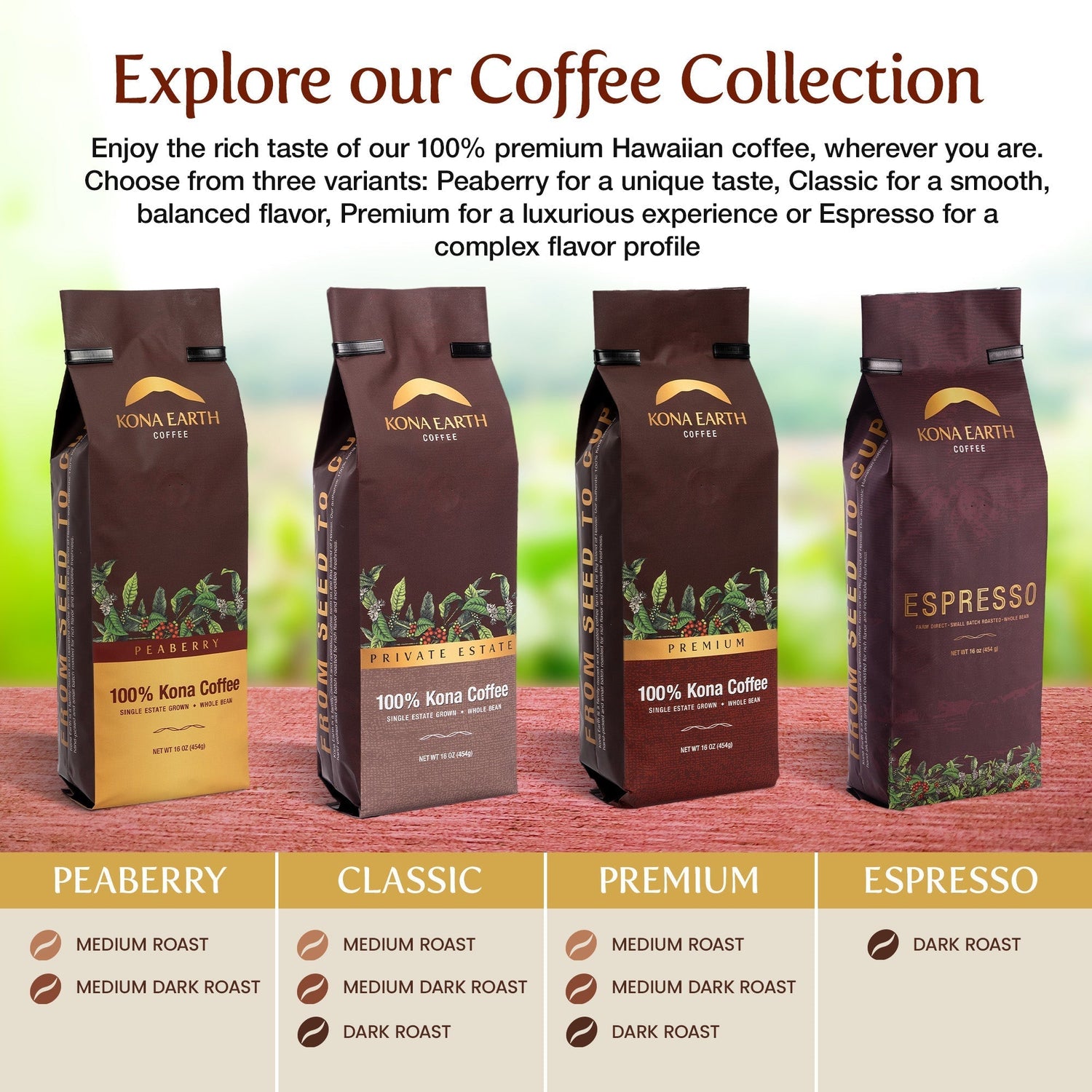
Choose coffee that tells you exactly what it is. With farm-direct 100% Kona coffee from Kona Earth, every fresh whole bean carries the care, rarity, and island-grown character that make the ritual feel worth savoring.
Comments (0)
Leave a Comment