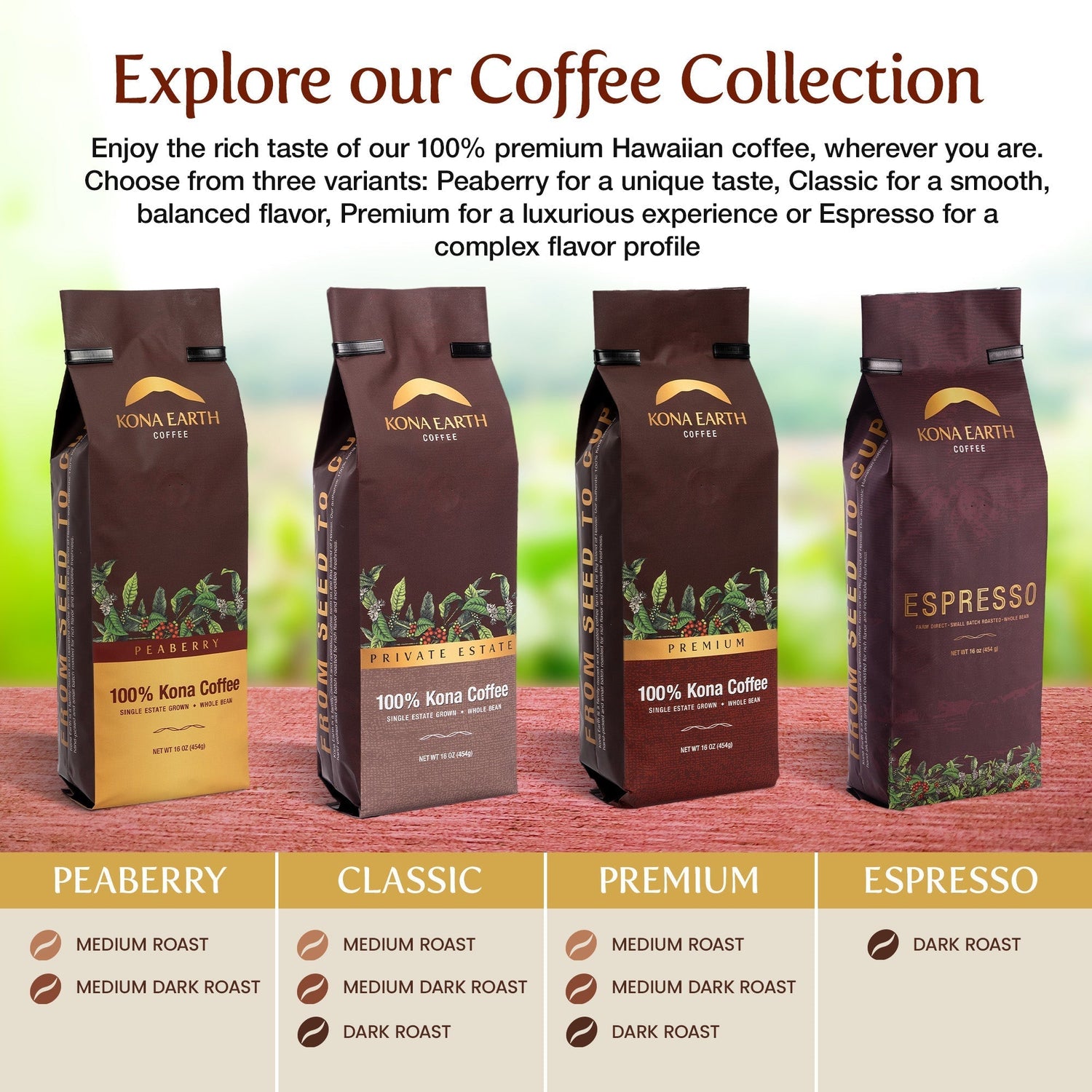


A bag can say Kona on the front and still leave a serious question unanswered: where did the coffee actually come from? The most meaningful coffee traceability success stories begin when a customer can follow that answer beyond a label - back to a specific growing region, the people handling the crop, and the roast prepared for their order.
For premium coffee buyers, traceability is not a fashionable extra. It is the proof behind flavor, authenticity, and value. It separates a true origin experience from a broad marketing claim, especially in categories where regional names are often used loosely.
Coffee Traceability Success Stories That Set the Standard
The strongest traceability stories are built on information that stays intact as coffee moves from cultivation to the customer. Rather than relying on a distant supply chain with multiple handoffs, successful farm-direct coffee programs retain oversight through harvesting, processing, roasting, packing, and fulfillment.
That continuity changes the customer experience. A buyer is not simply choosing a coffee with a Hawaiian name. They are choosing 100% Kona Coffee with a clear connection to its place of origin, handled with intention at every stage. The result is greater confidence in what arrives at the door and a more distinctive cup in the morning.
Success story: Origin remains more than a label
One of the clearest successes in specialty coffee comes from producers that protect a single-origin identity from crop to cup. When coffee from a defined region is kept separate, its natural character has room to speak for itself. Customers can expect the smooth body, inviting aroma, and refined sweetness associated with authentic Kona rather than a profile blurred by unspecified coffees.
This approach also protects the name's meaning on the package. Kona is a specific place in Hawaii, with a growing environment that cannot be replicated by printing the word on a label. Traceability gives customers a clear way to distinguish 100% Kona Coffee from products that use Kona as a minor component or a general style reference.
The trade-off is straightforward: preserving origin purity requires more discipline than assembling a blend from interchangeable lots. Supply is tied to a real harvest and a real place. For buyers who value authenticity, that limitation is part of the luxury. Rarity is not a sales tactic when it is the honest result of a defined origin.
Success story: Freshness becomes visible
Traceability also succeeds when it makes freshness easier to protect. In a conventional chain, coffee may pass through importers, warehouses, distributors, and retail shelves before it reaches a kitchen. Every extra stop adds time and reduces the producer's control over how the coffee is stored and represented.
A farm-direct model shortens that distance. Coffee can be small-batch roasted and shipped directly from the farm, allowing the same business to oversee the product from cultivation through the final order. That is not merely an operational advantage. It is a flavor advantage, especially for whole-bean coffee prepared close to the roast date.
The best version of this model does not promise that every customer will taste coffee the same way. Water, grind setting, brewer, and personal preference all matter. It does promise something more useful: coffee with fewer unknowns in its journey. When the coffee is fresh and the chain of custody is clear, customers have a much better starting point for an exceptional cup.
What Farm-Direct Traceability Looks Like
Traceability should be practical, not a collection of vague claims. Customers do not need a complicated database to understand whether a coffee has a credible origin story. They need clear signals that the brand controls, documents, and stands behind the journey.
For a premium Kona coffee, that often means the company can speak plainly about its Hawaii origin, its commitment to 100% Kona Coffee, its roasting process, and its direct fulfillment. Each detail supports the next. Origin establishes authenticity; small-batch roasting supports freshness; direct shipment keeps the customer connected to the source.
A business that controls these phases can also respond faster when quality needs attention. If a crop has a different seasonal character, the people presenting it to customers understand why. If a roast needs careful adjustment, the decision stays close to the coffee rather than being lost between unrelated suppliers. This is where traceability becomes stewardship.
Success story: Producers keep the value close to the source
Another compelling pattern in coffee traceability success stories is economic as well as sensory. When producers or estate-led businesses remain directly involved in selling coffee, more of the value created by the final product can stay near its origin. The relationship is less anonymous, and the customer can support the place that produced the coffee rather than only the final retailer.
That does not mean every direct model is identical. Some farms rely on partners for particular logistics, and that can be the right decision. The standard isn't whether every task happens in one location. The standard is whether responsibility is clear, quality is protected, and origin is communicated honestly.
For customers, the benefit is a purchase with context. A bag of coffee becomes more than a pantry staple. It represents Hawaii's coffee-growing heritage, a carefully managed crop, and the work required to bring a distinctive regional coffee to the cup.
Success story: Transparency earns repeat customers
The most durable traceability programs are not built for a single purchase. They create trust that encourages customers to return, send coffee as a gift, or make it part of a subscription ritual. That is especially valuable for premium products, where buyers want reassurance before committing to recurring delivery.
Clear origin communication reduces hesitation. Customers know what they are receiving, why it carries a premium position, and what makes it different from commodity coffee. Over time, that clarity can be more persuasive than a long list of claims. The proof is in consistency: authentic coffee, carefully roasted, delivered directly and represented accurately.
Kona Earth reflects this approach through a From Farm to Cup model centered on 100% Kona Coffee. By keeping control close to the source and roasting in small batches, the brand offers customers a direct connection to Hawaii along with the freshness and confidence that connection makes possible.
How to Recognize a Traceable Coffee
The label deserves a closer look, especially when a famous region's name is prominent. Start by asking whether the coffee is identified as 100% from that origin or whether the wording leaves room for a blend. Then look for a clear explanation of where the coffee is sourced, who handles roasting, and how it reaches you.
Specificity matters. “Premium” can describe almost anything. A stated origin, a farm-direct fulfillment model, and a commitment to whole bean freshness tell a more complete story. A credible coffee company should make it easy to understand the path from the growing region to your order without requiring customers to guess.
It also helps to consider what you value most. If you enjoy experimenting with many flavor profiles, a broad selection may suit your routine. If you want a reliable luxury ritual rooted in one remarkable origin, farm-direct 100% Kona Coffee offers a different kind of reward: confidence that the name, flavor, and provenance belong together.
Why Traceability Matters at the Table
Traceability may begin with supply-chain decisions, but it ends in a personal moment. It is there when you open a fresh bag and notice the aroma. It is there when you choose a coffee gift that feels considered rather than generic. It is there when your daily cup carries the character of a place known for extraordinary coffee.
The best success stories do not ask customers to admire a complicated process. They make the choice simple: know what you are buying, know where it came from, and enjoy it at its freshest. The next time a coffee claims a celebrated origin, let that claim start the question, not end it.
Comments (0)
Leave a Comment