
A bag can say Kona and still leave a serious coffee drinker with questions. Where was it grown? Who handled it after harvest? Was it roasted close to the source, and how long ago? Coffee traceability trends are changing what premium buyers expect: not a vague origin story, but a clear, credible path from a specific growing region to the cup.
For 100% Kona Coffee, that clarity matters. Kona is a small, celebrated coffee-growing region on Hawaii Island, and its name carries real meaning for flavor, craftsmanship, and place. When origin is diluted by broad labeling or blends, shoppers lose the ability to make an informed choice. Traceability helps restore that connection by making the coffee's journey visible - and by giving buyers a stronger reason to trust what is in the bag.
Why Coffee Traceability Trends Matter Now
Traceability is not simply a marketing detail printed beside a tasting note. At its best, it is a system of accountability. It follows coffee through the stages that shape its quality: cultivation, harvest, processing, roasting, packaging, and fulfillment. The more direct and documented those stages are, the easier it is to stand behind the final product.
Coffee buyers have become more selective for a practical reason. Premium coffee commands a premium price, and the product should provide more than a beautiful label. Customers want confirmation that an origin claim is meaningful, that quality has been managed with care, and that their coffee has not spent unnecessary time moving through a complicated chain of handlers.
This is especially true for regional coffees with strong name recognition. A buyer seeking 100% Kona Coffee wants the distinctive character associated with Kona's volcanic soil, mountain conditions, and island-grown crop. They are not looking for an indistinct coffee that borrows the Kona name without delivering the real origin experience.
The most useful traceability trends are not always the flashiest. Some brands emphasize digital records or scannable package information. Those tools can be valuable when they provide specific, verifiable details. But a polished technology layer does not replace direct oversight. The strongest proof often comes from a simpler model: coffee controlled closely from farm to roasting and shipped directly to the customer.
The Shift From Origin Claims to Origin Proof
For years, coffee packaging often relied on broad descriptors: island-grown, premium, or inspired by a famous region. Those phrases may sound appealing, but they do not tell a buyer enough. The new standard is more specific. Customers increasingly want to know whether a coffee is truly from the named place and how the producer preserves its character after it leaves the farm.
That shift benefits coffee lovers. It encourages producers to share meaningful information instead of hiding behind generalized language. It also rewards businesses with real control over the product, rather than those that rely on a long, opaque supply chain.
Farm-direct sourcing creates a shorter line of trust
A farm-direct model reduces the distance between the people growing coffee and the people enjoying it. Fewer handoffs can mean clearer accountability, better handling decisions, and more confidence in origin. It also lets a producer protect the qualities that made the coffee special in the first place.
For a customer, the benefit is straightforward. Rather than hoping a label tells the whole story, they can choose coffee from a business that remains involved throughout production. That continuity is particularly valuable for 100% Kona Coffee, where provenance is part of the pleasure.
Farm-direct does not mean every coffee is identical. Weather, seasonal conditions, and careful lot selection can create natural variation from one crop to another. That is not a weakness. It shows coffee is an agricultural product with a real story behind it. What matters is that the producer can explain coffee's path and maintain high standards at every stage.
Freshness is becoming part of traceability
Traceability used to focus mainly on where coffee was grown. Now, discerning customers are also asking when and how it was roasted. This is a welcome change. Coffee can be authentically sourced yet still disappoint if it sits too long before reaching the customer.
Small-batch artisanal roasting brings another layer of control to the crop-to-cup journey. Roasting in measured batches lets the roaster pay close attention to the coffee's natural sweetness, aroma, and balanced character. Shipping whole bean coffee directly after roasting helps preserve the experience customers expect when they open the bag: a rich fragrance, a freshly ground aroma, and a cup that feels worthy of its origin.
The ideal traceability story doesn't end at the farm gate. It follows the coffee through roasting and fulfillment, because those moments determine whether Kona's character reaches your kitchen intact.
What to Look for When Buying Traceable Coffee
Not every detail needs to be technical, but buyers should expect clarity. When comparing premium coffees, look beyond scenic imagery and ask whether the brand makes its relationship to the origin easy to understand.
Four signs are especially useful:
- A clear statement of origin, such as 100% Kona Coffee, rather than a loose regional reference.
- Direct involvement in growing, sourcing, or managing coffee from the farm through fulfillment.
- Small-batch roasting practices that support freshness and careful quality control.
- Straightforward product information that explains what you are buying without evasive wording.
These signals work together. A specific origin claim is stronger when paired with a direct supply model. Fresh roasting is more meaningful when the coffee has a documented route to the customer. And transparent language builds confidence because it respects the buyer's ability to recognize quality.
Traceability also has a personal dimension. A cup of coffee becomes more memorable when you understand its setting. Kona's coastal slopes, warm island air, and careful cultivation are not generic details. They help explain why authentic Kona coffee has such an unmistakably refined appeal. Knowing that your coffee comes from that place, rather than merely carrying its name, turns an everyday ritual into a more considered choice.
Technology Helps, but Stewardship Leads
Digital traceability tools will keep growing. Batch records, supply-chain databases, and package codes can make product information easier to access. For larger, more complex supply chains, these systems can help identify gaps and improve consistency.
Still, technology should support trust, not substitute for it. A code on a package is only as useful as the information behind it. If the source relationship is distant or unclear, a digital page cannot create authenticity on its own. The better question is whether the business has genuine stewardship over the coffee and can communicate that stewardship plainly.
For premium Hawaiian coffee, the most persuasive model combines both principles: careful records where they add value and a short, accountable path from farm to cup. That is the difference between knowing a coffee was associated with an origin and knowing it was protected by the people responsible for it.
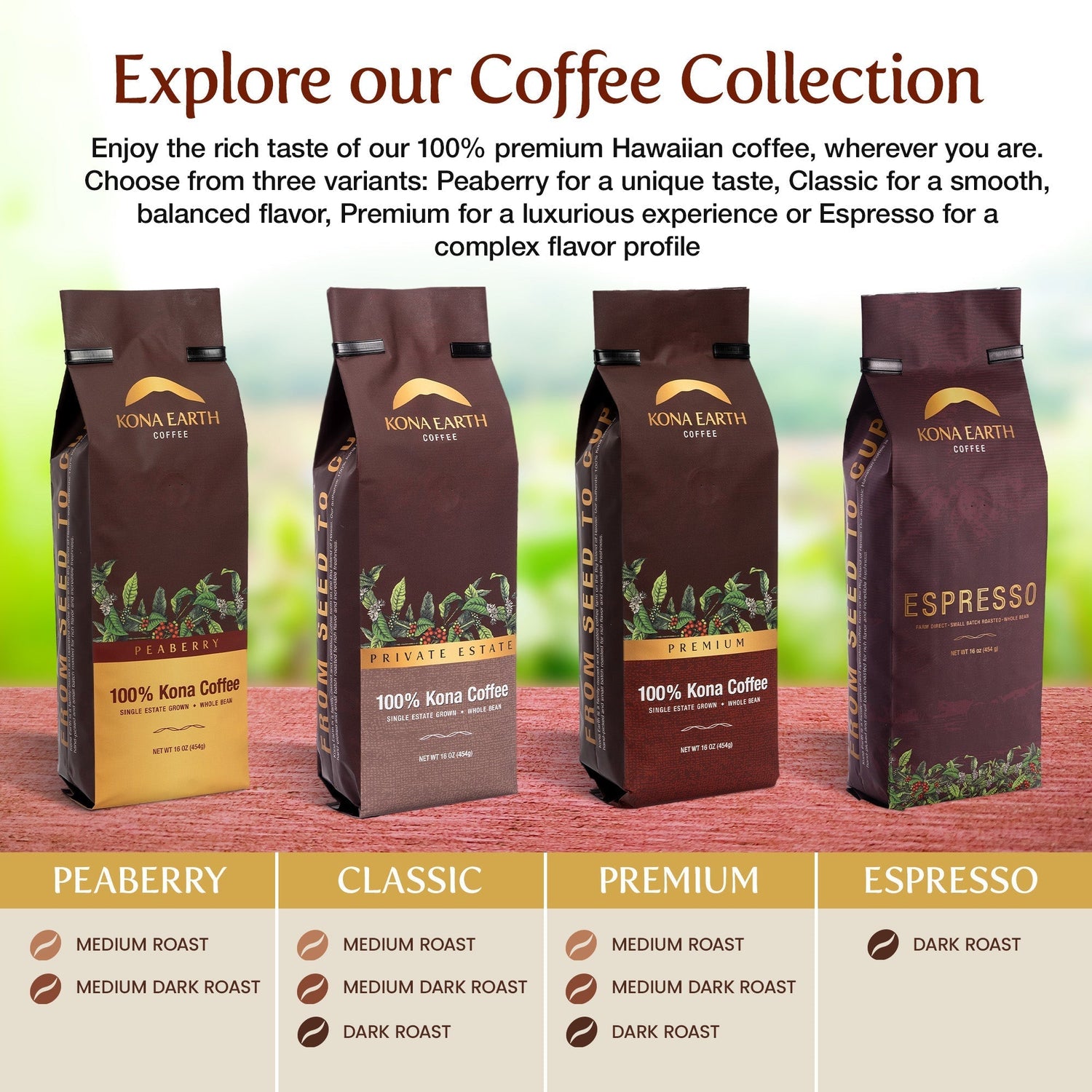
Kona Earth reflects this approach through a farm-direct model built around 100% Kona Coffee, small-batch roasting, and direct shipment from the farm. The goal is to keep the coffee's story simple. It is to preserve the integrity of Kona from cultivation through the moment fresh whole beans arrive at your door.
A Better Standard for the Daily Cup
The future of coffee traceability is likely to be more specific, more accessible, and less tolerant of vague origin language. Buyers will continue to reward coffee that shows its work: where it came from, who cared for it, and how its quality was protected after harvest.
For those who choose 100% Kona Coffee, traceability is not an abstract trend. It protects the value of an exceptional origin and ensures the cup delivers the island-grown character promised on the bag. Choose coffee with a story that can be clearly told, then take a moment to taste the care behind it.
Comments (0)
Leave a Comment