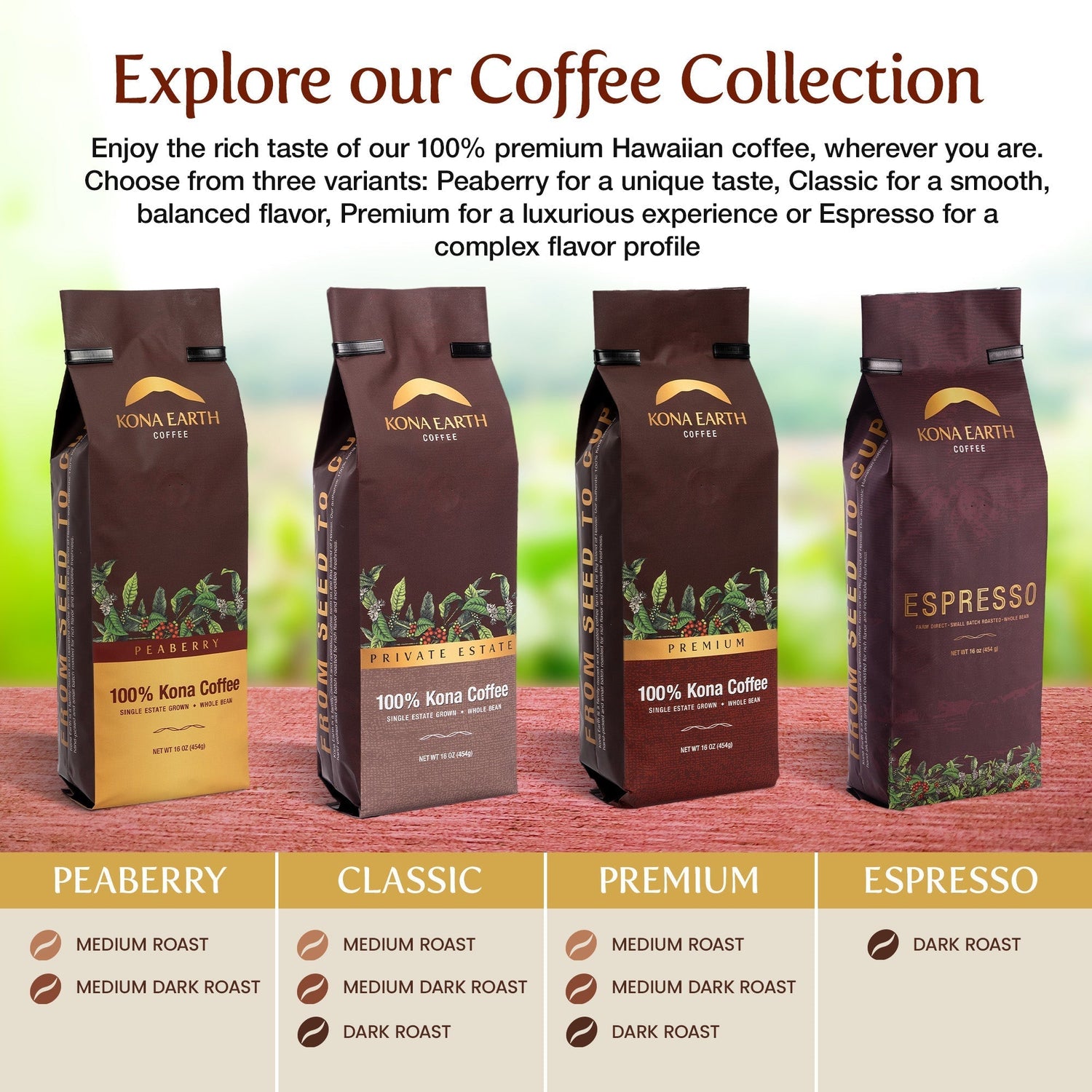

If you've ever opened a bag labeled premium coffee and wondered how much of that promise is real, farm-to-cup coffee examples make the difference easy to see. The phrase only means something when the path from origin to your morning cup is clear, protected, and reflected in flavor. For buyers who care about authenticity, especially with origin-specific coffees like 100% Kona Coffee, that chain of custody is not a nice extra. It is the product.
What farm-to-cup coffee examples actually show
The best farm-to-cup coffee examples do more than describe where coffee was grown. They show who grew it, how it was processed, when it was roasted, and how directly it moved to the customer. That matters because coffee quality can rise or fall at every step.
A coffee can come from a respected region and still lose its character through bulk grinding, long storage, or generic roasting. On the other hand, a coffee handled with care from harvest through fulfillment tends to taste more vivid, more distinct, and more true to origin. In premium coffee, that transparency is part of the value.
For shoppers, farm-to-cup is also a practical filter. It helps separate authentic, source-driven coffee from products that rely on broad marketing language. When origin purity matters, the closer the connection between farm and customer, the easier it is to trust what is in the bag.
9 farm-to-cup coffee examples worth understanding
1. Single-origin coffee with verified regional identity
A true single-origin coffee is one of the clearest examples of farm-to-cup thinking. It ties the cup to a specific place rather than hiding the coffee inside a blend. That place can shape acidity, body, aroma, and finish in ways experienced coffee drinkers recognize immediately.
With 100% Kona Coffee, this distinction is especially important. Kona is not a style. It is a defined growing region with a flavor profile that buyers seek out for its smooth body, balanced sweetness, and refined finish. When a coffee is genuinely sourced from that origin and presented without dilution, the cup has integrity.
2. Farm-direct fulfillment instead of layered distribution
One of the strongest farm-to-cup coffee models is one in which the producer or farm-connected brand delivers directly to the customer. Fewer handoffs can mean better freshness, better traceability, and fewer opportunities for product substitution or confusion.
This does not automatically mean every direct model is superior. Some operations are small but inconsistent. Still, when a premium coffee business manages sourcing, roasting, and customer delivery with discipline, the result is a more controlled experience. Buyers know where the coffee came from and how it reached them.
3. Small-batch roasting tied to recent harvests
Roasting is where agricultural quality either comes alive or gets flattened. Farm-to-cup is not complete at harvest. It continues through roast decisions that respect the bean instead of masking it.
Small-batch roasting is a meaningful example because it allows more control over development, consistency, and freshness. For a nuanced origin like Kona, that matters. Roast too dark, and the regional character disappears. Roast too lightly, and the sweetness may not fully open. The best result is a roast profile that highlights the coffee's natural balance rather than forcing a generic flavor trend onto it.
4. Lot-specific coffee with processing transparency
Not all coffee from the same farm tastes identical. Processing method, elevation, varietal, and harvest timing can create real differences from lot to lot. So another strong farm-to-cup example is coffee sold with clear details about processing and production.
That kind of transparency tells the buyer this is not anonymous inventory. It is coffee treated as an agricultural product with identity. For premium customers, those details support confidence. They also explain why one release may taste more floral while another leans richer and more cocoa-toned.
5. Origin-pure labeling instead of diluted blends
This is one of the most important examples for shoppers who want authenticity. Some labels use famous coffee origins as attention-getters while the actual product contains only a small portion from that place. The result may still be drinkable, but it is not the same buying proposition.
A true farm-to-cup model favors clear, origin-pure labeling. If a coffee is sold as 100% Kona Coffee, the expectation is simple: the contents should match the claim. That clarity protects both flavor and trust. It also protects the reputation of a region that has earned premium status through distinct growing conditions and careful cultivation.
Why these examples matter for flavor
Farm-to-cup can sound like a sourcing story, but the real test is in the cup. A direct and protected chain usually preserves freshness, and freshness preserves aroma. That is where coffee begins to feel premium before you even brew it.
Then comes taste. Coffees with stronger origin traceability often show more structure and definition. Instead of tasting flat or broadly roasty, they reveal sweetness, fruit, nuttiness, spice, or chocolate in a way that feels natural. With Kona, that often means elegance over aggression - a polished cup with layered flavor and an easy finish.
There is a trade-off here. Highly traceable coffee can cost more because the system behind it is more selective and less commoditized. But for buyers seeking authenticity rather than the lowest price, that premium often reflects real differences in sourcing, handling, and consistency.
Farm-to-cup coffee examples and buyer trust
The premium coffee market runs on confidence. Customers want to know that what they are paying for is actually what they are receiving. Farm-to-cup examples build that confidence because they make the supply chain easier to understand.
This is especially relevant in categories where origin names carry prestige. If a coffee is marketed around a place, buyers should be able to see evidence of that place in the product story, fulfillment model, and taste. A vague claim is rarely enough.
Trust also grows when the brand's operational choices match its message. If a company talks about quality but treats coffee like shelf-stable merchandise, the disconnect shows. If it roasts in small batches, clearly communicates its origin, and fulfills with care, the promise feels credible.
How to recognize a real farm-to-cup model
Some signs are easy to spot once you know what to look for. Clear origin naming is one. Specific language around sourcing and roasting is another. Freshness cues, harvest awareness, and direct fulfillment claims can also be meaningful.
Still, it depends on how those claims are supported. Terms like artisan or premium sound appealing, but they do not prove much by themselves. More useful signals are exact origin statements, transparency about production, and a product experience that reflects that care from bag to brew.
For gift buyers and subscription customers, this matters even more. When you are sending coffee regularly or choosing it for someone else, confidence matters as much as flavor. The strongest farm-to-cup coffees offer both.
Where 100% Kona Coffee stands out
Among farm-to-cup coffee examples, 100% Kona Coffee stands in a category of its own when it is handled properly. Its appeal is not just rarity. It is the combination of distinct origin, refined taste, and the assurance that comes from direct, truthful sourcing.
That is why a crop-to-cup approach works so well for Kona. It protects the coffee's identity from harvest through roasting and delivery. It also gives customers a cleaner, more premium path to purchase. Instead of guessing whether a label is doing too much marketing and too little sourcing, they can buy with clarity.
For shoppers who want that level of confidence, Konaearth.com reflects what the model should look like - award-winning 100% Kona Coffee, small-batch roasted, fulfilled with a direct connection to origin, and built for repeat enjoyment as well as premium gifting.
The better question to ask before you buy
Instead of asking whether a coffee sounds premium, ask what the product can prove. Farm-to-cup coffee examples matter because they show how quality is preserved, how origin is protected, and why some coffees taste more honest than others. When the route from farm to cup is clear, the experience in your mug usually is too.
The next time you shop for coffee, look past the front label and follow the trail of authenticity. That is often where the best cup begins.
Comments (0)
Leave a Comment