
A bag says Kona on the front, the price looks surprisingly low, and the tasting notes sound like paradise. That is exactly where buyers get tripped up. If you want to know how to verify Kona origin, the real test starts before the first brew - with the label, the seller, and the paper trail behind the coffee.
Authentic 100% Kona Coffee is one of the most distinctive coffees in the world, grown in a specific region on Hawaii Island and prized for its smooth body, bright acidity, and layered sweetness. That reputation also makes it one of the most misused origin names in coffee. Some products lean on the Kona name while containing only a small amount of actual Kona beans. Others use vague sourcing language that sounds premium but reveals very little. For a buyer who cares about quality, origin purity is not a detail. It is the difference between a true crop-to-cup experience and a marketing shortcut.
How to verify Kona origin on the label
The fastest place to start is the product label. If the coffee is genuinely pure, the wording should be direct. Look for 100% Kona Coffee, not just Kona coffee, Kona roast, or Kona blend. Those smaller wording choices matter because they often signal a product that borrows the prestige of the origin without delivering the full regional coffee.
Price is another clue. True 100% Kona Coffee is limited in supply and labor-intensive to produce. If a bag is priced like an everyday commodity coffee, that should raise questions. Premium origin coffee commands a premium price because the growing area is small, the harvest is finite, and the production standards are far more exacting than mass-market coffee.
Packaging should also identify where the coffee was grown and, ideally, where it was roasted or fulfilled. The more specific the information, the better. A serious producer does not need to hide behind broad phrases such as Hawaiian style or island inspired. Authenticity tends to speak plainly.
What real Kona origin should tell you
If you are learning how to verify Kona origin, think in terms of traceability. Origin is not just a romantic story. It is a documented chain from a defined growing region to the final bag in your kitchen.
That means the seller should be able to tell you where the coffee comes from in a clear, confident way. Was it grown in the Kona district? Is it 100% Kona Coffee or a blend? Was it sourced directly or passed through multiple hands before sale? Vague answers usually point to vague sourcing.
The strongest coffee brands in this category lead with origin purity because it is their advantage. They do not bury the percentage. They do not make you hunt for fine print. They say exactly what you are buying and why it tastes different.
Look for specificity, not atmosphere
Many coffee descriptions are designed to create a mood. There is nothing wrong with beautiful branding, but origin verification depends on specifics. You want concrete details about the coffee itself, not just imagery.
A trustworthy seller will usually provide the coffee type, origin claim, roast information, and a clear statement about authenticity. If the website or packaging spends far more time selling the fantasy than explaining the product, pause before purchasing. In premium coffee, precision is part of the luxury.
Certifications and origin claims
Depending on the producer and distribution model, there may be documentation or regional compliance tied to labeling. What matters most for the shopper is whether the brand treats origin as a verifiable standard rather than a decorative phrase. If the company cannot explain its Kona claim in plain language, that is useful information by itself.
How to verify Kona origin from the seller
The seller should make trust easy. You should not have to guess whether a coffee is authentic. Good origin-focused brands answer the key questions upfront: what percentage of the coffee is Kona, where it is sourced, and how it moves from harvest to roasting and fulfillment.
Direct sourcing matters here. The closer the brand is to the coffee’s origin, the easier it is to maintain identity and quality throughout the process. A farm-direct or crop-to-cup model reduces the distance between producer and customer, which helps preserve both traceability and freshness. That does not guarantee excellence on its own, but it does make inflated origin claims harder to hide.
If you contact a seller, ask simple questions. Is this coffee 100% Kona Coffee? Where is it grown? Is it fulfilled directly from origin or through a generic reseller network? Clear answers signal confidence. Evasive answers usually tell you what you need to know.
Red flags that often signal a Kona blend
The most common red flag is the word blend. A Kona blend is not automatically low quality, but it is not the same as 100% Kona Coffee. For buyers seeking the true flavor of the region, the distinction is essential.
Another warning sign is oversized branding with undersized disclosures. If Kona is featured prominently on the front of the package but the actual coffee percentage is harder to find, the label may be leaning on reputation rather than purity. The same goes for bargain pricing, generic sourcing language, or product pages that make dramatic quality claims without giving real origin details.
Watch for wording that sounds close enough to be convincing. Hawaiian roast, island blend, premium Kona style, and similar phrases can create the impression of place while saying very little about what is actually in the bag. In specialty coffee, wording is part of the product. Read it carefully.
Taste can support origin, but it should not be your only proof
Experienced coffee drinkers often believe they can identify origin in the cup. Sometimes they can, especially with a coffee as distinctive as Kona. Genuine 100% Kona Coffee is often known for a smooth, balanced profile with gentle fruit, sweet aromatics, and a refined finish. It tends to be elegant rather than harsh.
Still, taste alone is not enough for verification. Roast level, brewing method, freshness, and storage all affect what you taste. A darker roast can hide nuance, and an older bag can flatten the very qualities you were hoping to confirm. Flavor should reinforce trust, not replace it.
That is why the best buying decision combines sensory expectations with documentation and transparent sourcing. When the label is clear, the seller is specific, and the cup delivers the character you expect, confidence follows naturally.
Why origin purity matters for premium coffee buyers
When you pay for Kona, you are paying for more than a name. You are paying for a specific growing environment, a limited harvest, and the craftsmanship behind one of the most respected regional coffees in the world. If the origin is diluted, the experience is diluted too.
That matters for everyday enjoyment, but it matters even more when coffee is part of gifting or subscription buying. Premium buyers want consistency. They want a coffee that feels worthy of the ritual, the occasion, or the person receiving it. Verified origin supports all of that. It protects flavor, value, and trust in the purchase.
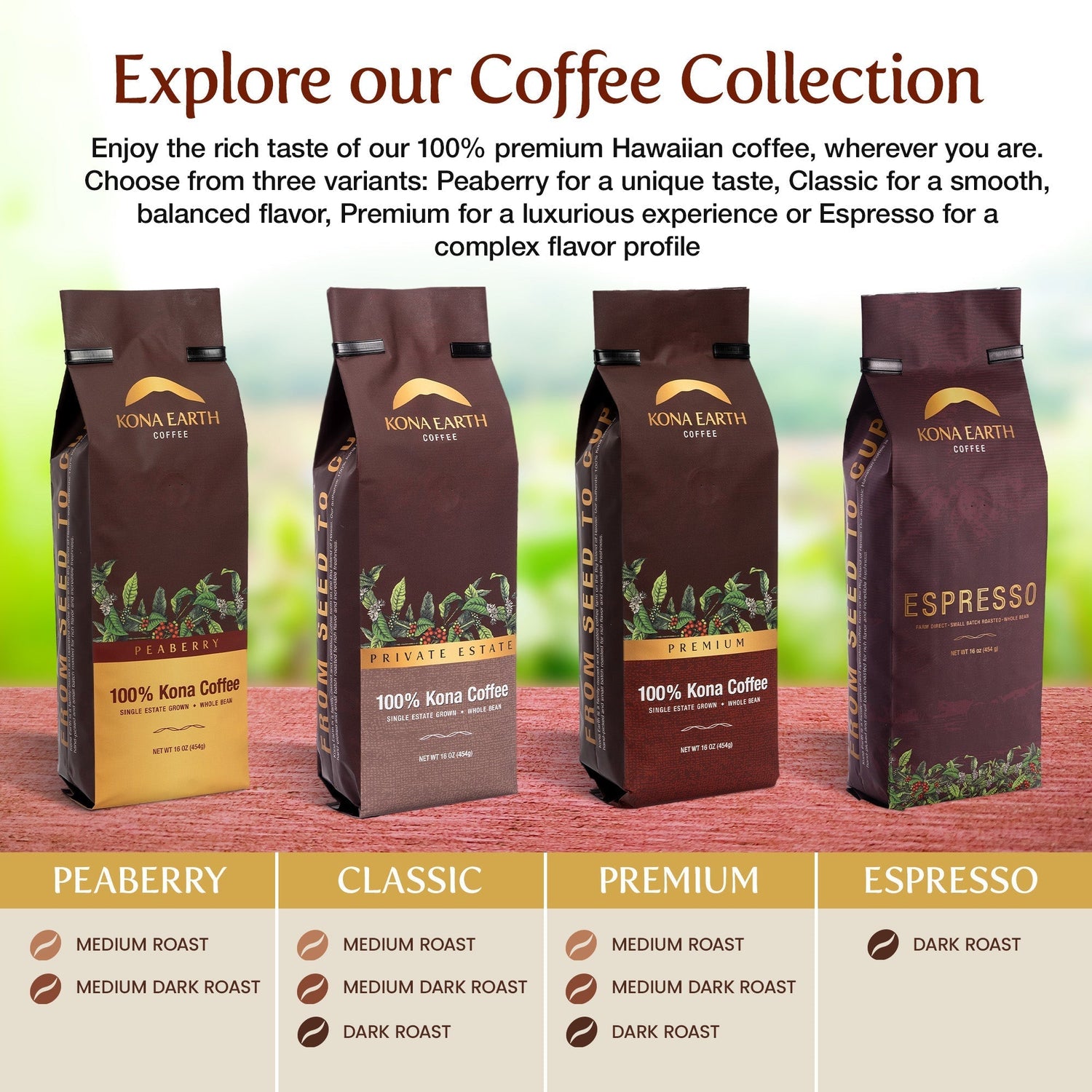
For customers who want certainty, brands built around 100% Kona Coffee and direct fulfillment offer a stronger standard from the start. Konaearth.com, for example, centers the customer experience on farm-direct authenticity and award-winning 100% Kona Coffee, which makes the buying decision simpler for shoppers who do not want to sort through diluted origin claims.
The simplest way to verify Kona origin
Start with one question: does the brand clearly state that the coffee is 100% Kona Coffee? Then look at everything around that claim - price, sourcing detail, fulfillment model, and how easy it is to get a straight answer. Real origin does not need theatrical language. It needs clarity.
Coffee this special should feel unmistakable before you even open the bag. Buy from sources that respect the name, state the percentage, and stand behind the journey from farm to cup. That is how premium coffee should be sold, and it is how your next cup of Kona should begin.
Comments (0)
Leave a Comment