

A coffee can carry an award, but the real proof arrives with the first sip: a clear aroma, a lively sweetness, a silky texture, and a finish that makes you pause before the next sip. What makes coffee award winning is not one dramatic choice. It is a chain of exacting decisions, protected from the trees where cherries ripen to the fresh whole beans delivered to your door.
For 100% Kona Coffee, that chain matters even more. Kona’s celebrated growing region can produce a cup with bright, elegant character and natural sweetness, but origin alone is not a guarantee. Award-worthy coffee earns its reputation through disciplined cultivation, careful selection, skilled processing, precise roasting, and a commitment to freshness.
What Makes Coffee Award Winning Starts at Origin
Great coffee begins with a place capable of producing it. Soil composition, elevation, rainfall, shade, temperature, and seasonal conditions all influence how coffee cherries develop. The best growing environments create fruit that ripens steadily and builds complexity rather than simply producing volume.
Kona’s slopes on Hawaii Island offer a distinctive setting for coffee cultivation. Volcanic soil, gentle elevation, and the region’s favorable climate support slow, balanced cherry development. The result can be a refined cup known for smooth body, inviting aroma, subtle fruit notes, and a clean finish.
Still, a famous origin should invite higher standards, not lower them. Genuine 100% Kona Coffee provides a clear connection to a specific place. That transparency matters for anyone seeking the character that has made Kona one of America’s most prized coffee origins. A label that is vague about what is in the bag cannot offer the same confidence as coffee whose origin is protected from farm to cup.
1. Ripe Cherries Create Better Flavor
Coffee beans are the seeds inside a fruit. If that fruit is picked before it is ripe, the eventual cup can taste thin, grassy, sharp, or astringent. If it is left too long, unwanted fermented flavors may enter the profile. Award-level quality begins with harvest timing that respects the cherry rather than rushing the crop.
Selective picking is labor-intensive because not every cherry ripens at once. Yet it is one of the clearest differences between coffee made for distinction and coffee made for scale. Pickers return through the trees, choosing cherries at their peak color and maturity. This concentration of ripe fruit gives roasters a stronger foundation for sweetness, clarity, and balance.
2. Sorting Protects the Cup
Even a carefully harvested lot needs rigorous sorting. Imperfect, underdeveloped, damaged, or overripe cherries can distract from an otherwise beautiful coffee. After processing, green coffee is evaluated again for bean size, density, moisture, and visible defects.
This attention may sound technical, but it has a direct impact in the cup. A single poor-quality bean can contribute bitterness, harshness, or an off-flavor. Award-winning coffees are often remarkably clean because quality control has removed distractions before roasting begins. The goal is not a coffee that tastes loud for the sake of it. The goal is a coffee whose best qualities come through with definition.
3. Processing Reveals the Character of the Coffee
Processing is the stage that removes the fruit from the coffee seed and prepares it for drying. It is also where a producer can either preserve the coffee’s natural character or compromise it. Timing, cleanliness, water management, drying conditions, and careful movement of the coffee all matter.
Different processing approaches can emphasize different qualities. One method may favor crispness and clarity; another can create a fuller, fruit-forward impression. Neither is automatically superior. The right choice depends on the coffee itself and the flavor experience a producer intends to highlight.
For premium Kona coffee, the finest processing is deliberate rather than fashionable. It should support the graceful, balanced profile the region is known for, allowing sweetness and nuance to remain recognizable in the final cup. Consistency is especially valuable here. An exceptional bag should not be a lucky accident.
4. Roasting Must Be Precise, Not Aggressive
Roasting is where coffee’s potential becomes aroma, flavor, and texture. It is also where a beautiful green coffee can be flattened. Roast too lightly and the cup may feel underdeveloped. Roast too dark and the roast itself can overpower the origin, leaving the same smoky taste regardless of where the coffee was grown.
Small-batch artisanal roasting gives the roast team more control over heat, airflow, timing, and development. That control helps bring out a coffee’s best qualities without hiding them. With 100% Kona Coffee, a thoughtful roast should preserve a polished sweetness, satisfying body, and the smooth, clean character that makes the region so memorable.
There is a useful trade-off to understand. A darker roast can deliver a bolder, deeper profile, while a lighter roast may reveal more delicate origin detail. Award-winning roasting is not about chasing one roast color. It is about choosing a profile that makes the coffee taste complete, expressive, and balanced.
5. Judges Look for Balance, Not Just Intensity
Coffee awards vary by competition, but serious evaluation usually considers more than a dramatic first impression. Professional tasters assess fragrance and aroma, flavor, aftertaste, acidity, body, sweetness, balance, and overall harmony. They also look for cleanliness and uniformity across multiple cups of the same coffee.
A high-scoring coffee may have bright acidity, but it should feel refreshing rather than sour. It may have a rich body, but it should not feel heavy or muddy. Its finish should carry pleasant flavor forward without leaving a dry, bitter edge. These qualities work together, which is why balance is often the hallmark of a truly exceptional coffee.
The best cups are specific without being confusing. You may notice warm caramel-like sweetness, hints of toasted nuts, gentle fruit, cocoa, or floral lift. Those notes should feel integrated, not forced. Complexity is valuable when it remains enjoyable from the first sip to the last.
6. Freshness Is Part of the Quality Standard
Coffee is at its most captivating when it is fresh. Once roasted, whole beans begin a gradual journey away from their peak aromatics. Time, air, heat, moisture, and light all reduce the vivid fragrance and flavor that make premium coffee special.
That is why farm-direct fulfillment has real value. When control stays close to every phase of production - from crop selection and roasting to packing and shipping - there are fewer opportunities for quality to be lost in a long, anonymous supply chain. Fresh, whole bean coffee shipped directly from the farm gives customers a better chance to taste the coffee as it was intended.
For the home brewer, freshness also means buying in a quantity you will enjoy within a reasonable window, storing beans in an airtight container away from heat and light, and grinding just before brewing. An award-winning coffee deserves that final measure of care.
7. Authenticity Makes the Experience More Meaningful
An award is a meaningful signal, but it should be supported by facts customers can trust. Clear origin information, transparent sourcing, careful roasting, and a recognizable producer all help transform a premium claim into a credible one.
This is particularly significant for Kona. The name carries a powerful reputation, and coffee lovers deserve to know whether they are choosing authentic 100% Kona Coffee or a product that relies on the name without delivering the full origin experience. Purity protects flavor, but it also protects the story behind every cup.
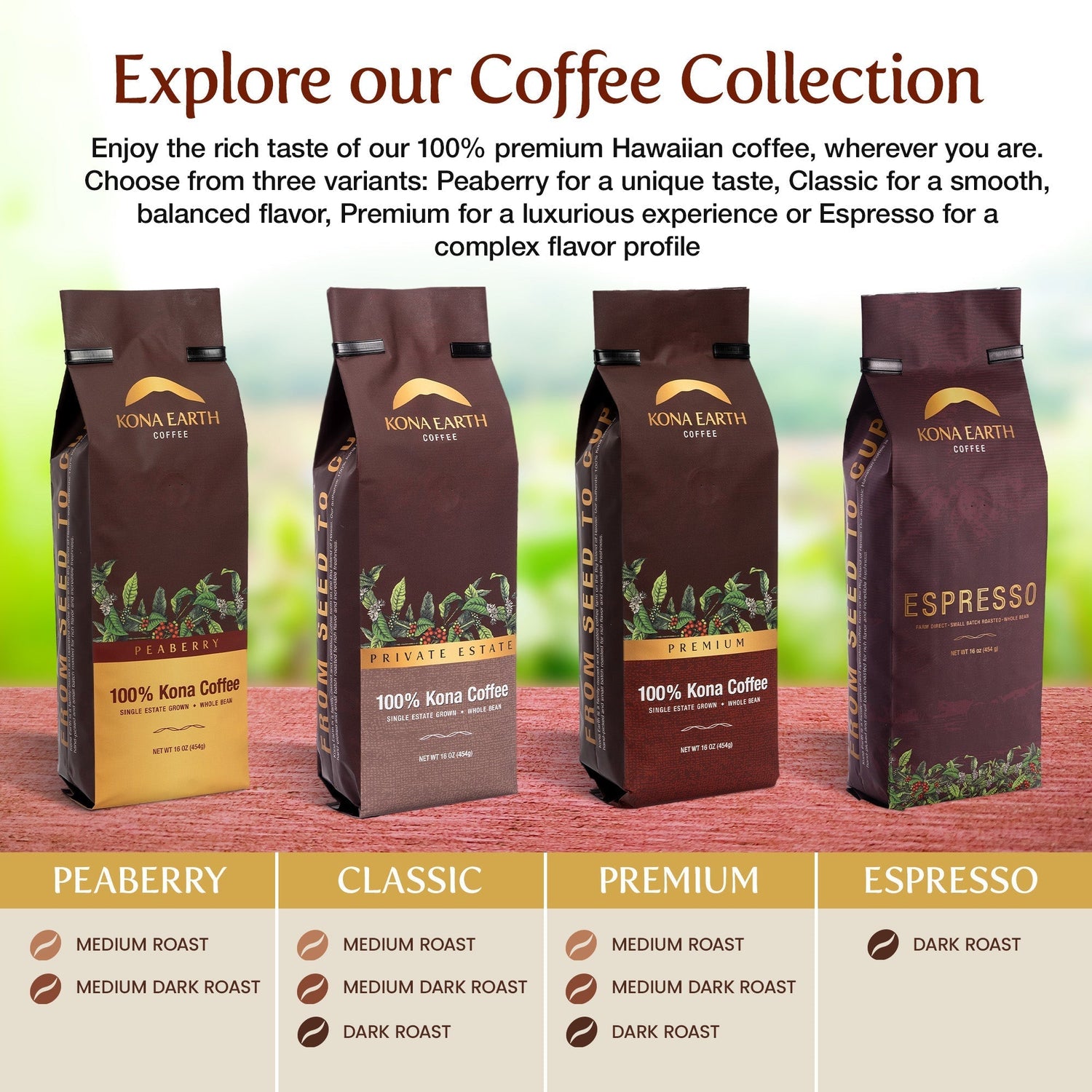
Kona Earth approaches that standard through a farm-direct, crop-to-cup model and small-batch roasting. The advantage is simple: closer control supports greater confidence, and greater confidence makes every morning cup feel like a genuine taste of Hawaii rather than an imitation of it.
How to Taste Award-Winning Coffee at Home
Start with a simple brew method that lets the coffee speak clearly. Use fresh, filtered water, measure your coffee consistently, and grind immediately before brewing. If the cup tastes dull, adjust your coffee-to-water ratio or try a slightly finer grind. If it tastes bitter or dry, consider a coarser grind, cooler water, or a shorter brew time.
Then slow down long enough to notice what is there. Smell the freshly ground coffee. Take a first sip while it is warm, then return as it cools. Exceptional coffee often changes in the cup, revealing more sweetness, texture, and subtlety over time.
The reward for choosing award-worthy coffee is not merely a badge on the bag. It is the rare satisfaction of tasting careful work at every stage - a beautiful origin, faithfully preserved, ready to make an ordinary moment feel a little more like paradise.
Comments (0)
Leave a Comment