
A coffee can say premium on the bag and still leave too much unanswered. Where was it grown? Who handled it after harvest? How long did it sit before roasting? Crop to cup coffee matters because every step between the tree and your morning brew shapes flavor, freshness, and trust.
For buyers who care about origin, this is more than a nice phrase. It is a standard. In specialty coffee, the closer the connection between the crop and the final cup, the easier it is to protect quality and verify exactly what you are buying. That matters even more with 100% Kona coffee, where authenticity is part of the value.
What crop to cup coffee really means
Crop to cup coffee describes a direct, controlled path from cultivation through harvest, processing, roasting, packing, and delivery. Instead of moving through a long chain of brokers, warehouses, and repackaging points, the coffee stays closely tied to its source.
That difference shows up in the cup. Coffee is an agricultural product, and like fine wine, its character depends on place, timing, and handling. A crop to cup model protects those details rather than blending them into a generic product story.
It also gives customers something increasingly rare in food and beverage - clarity. You know where the coffee comes from, what makes it distinct, and why it tastes the way it does. For a premium purchase, that level of confidence is not a bonus. It is the point.
Why crop to cup coffee creates better flavor
Great coffee flavor starts long before roasting. It begins with the conditions at origin - elevation, soil, rainfall, sunlight, and the pace of ripening. In Kona, those conditions are exceptionally favorable, which is one reason 100% Kona coffee has earned such a strong reputation for smoothness, aroma, and balance.
But strong growing conditions alone are not enough. Harvest timing matters. Processing matters. Storage matters. Roasting matters. If the chain between origin and customer is too long or too fragmented, quality can fade at every handoff.
Crop to cup coffee reduces that risk. When coffee is sourced directly and handled with tighter oversight, it is easier to preserve the sweetness, brightness, and clean finish that define premium beans. You taste more of the origin and less of the supply chain.
There is a trade-off here worth noting. A highly controlled, origin-focused model is not built for mass-market volume or bargain pricing. It is built for quality. That means the end product often carries a higher price, but for buyers seeking authenticity and distinctive flavor, the value is easier to justify.
From harvest to roast: where quality is won or lost
The phrase crop to cup can sound simple, but quality depends on a series of exact decisions.
Harvest is the first checkpoint. Coffee cherries do not all ripen at the same pace, and selective picking helps preserve sweetness and balance. If cherries are picked too early or too late, flavor suffers.
Processing comes next, and this stage can either highlight a coffee's natural character or flatten it. Clean handling, proper fermentation control, and careful drying all influence clarity in the cup. Premium coffee is rarely the result of shortcuts here.
Then comes roasting. A small-batch approach allows greater precision, especially with origin-specific coffees like 100% Kona coffee. The goal is not to roast away the bean's character. The goal is to reveal it. When roasting is too aggressive or too generalized, the subtle notes that make a premium origin special can disappear.
Finally, fulfillment matters more than many buyers realize. Freshly roasted coffee loses its peak character over time. A farm-direct or tightly managed fulfillment model shortens that gap and helps the coffee arrive with more of its aroma and complexity intact.
Crop to cup coffee and origin authenticity
For many premium coffee buyers, flavor is only half the decision. Authenticity matters just as much.
This is especially true when shopping for Kona coffee. The market includes products that use Kona labeling in ways that can confuse customers, particularly when blends are involved. Buyers looking for the real experience want clarity that the coffee is 100% Kona coffee, not a diluted version trading on the region's reputation.
A crop to cup coffee model supports that clarity because it keeps the origin story intact. It shortens the distance between producer and customer, making it easier to stand behind claims of purity, source, and quality. In a category where labeling can blur the truth, direct sourcing restores confidence.
That confidence has practical value. It means you are paying for the coffee itself, not just the romance around it. It means the tasting notes on the bag are connected to a real place and a real harvest. And it means your daily ritual feels more personal because it actually is.
Why premium buyers are choosing direct-sourced coffee
The shift toward direct-sourced coffee is not just a specialty trend. It reflects a broader change in how discerning customers shop. People want fewer layers between source and purchase, especially when they are buying something positioned as exceptional.
With crop to cup coffee, the benefits are easy to understand. Fresher product. More transparent sourcing. Better control over quality. A stronger link between what is promised and what arrives.
It also fits the way many coffee buyers now think about luxury. Luxury is not only packaging or price. It is confidence, precision, and consistency. It is knowing the coffee in your cup was chosen, handled, and roasted with intention.
That makes crop to cup coffee especially appealing for gifting and subscriptions as well. When you send premium coffee to someone else or commit to recurring delivery for yourself, trust becomes even more important. You want a product with a clear point of difference, not a generic bag dressed up as a special purchase.
What to look for when buying crop to cup coffee
Not every bag that sounds premium is genuinely close to the source. The strongest crop to cup coffees tend to share a few signals.
First, the origin should be clear and specific. Premium coffee should not hide behind vague sourcing language. If the coffee is 100% Kona coffee, that should be stated plainly.
Second, the brand should communicate direct sourcing or farm-direct fulfillment in a credible way. The closer the connection to origin, the easier it is to believe the freshness and authenticity claims.
Third, roasting should reflect care rather than scale. Small-batch roasting is often a meaningful indicator, especially for coffees with distinct regional character.
Finally, the overall experience should match the product's premium positioning. That includes freshness, packaging, consistency, and a buying experience that feels as intentional as the coffee itself.
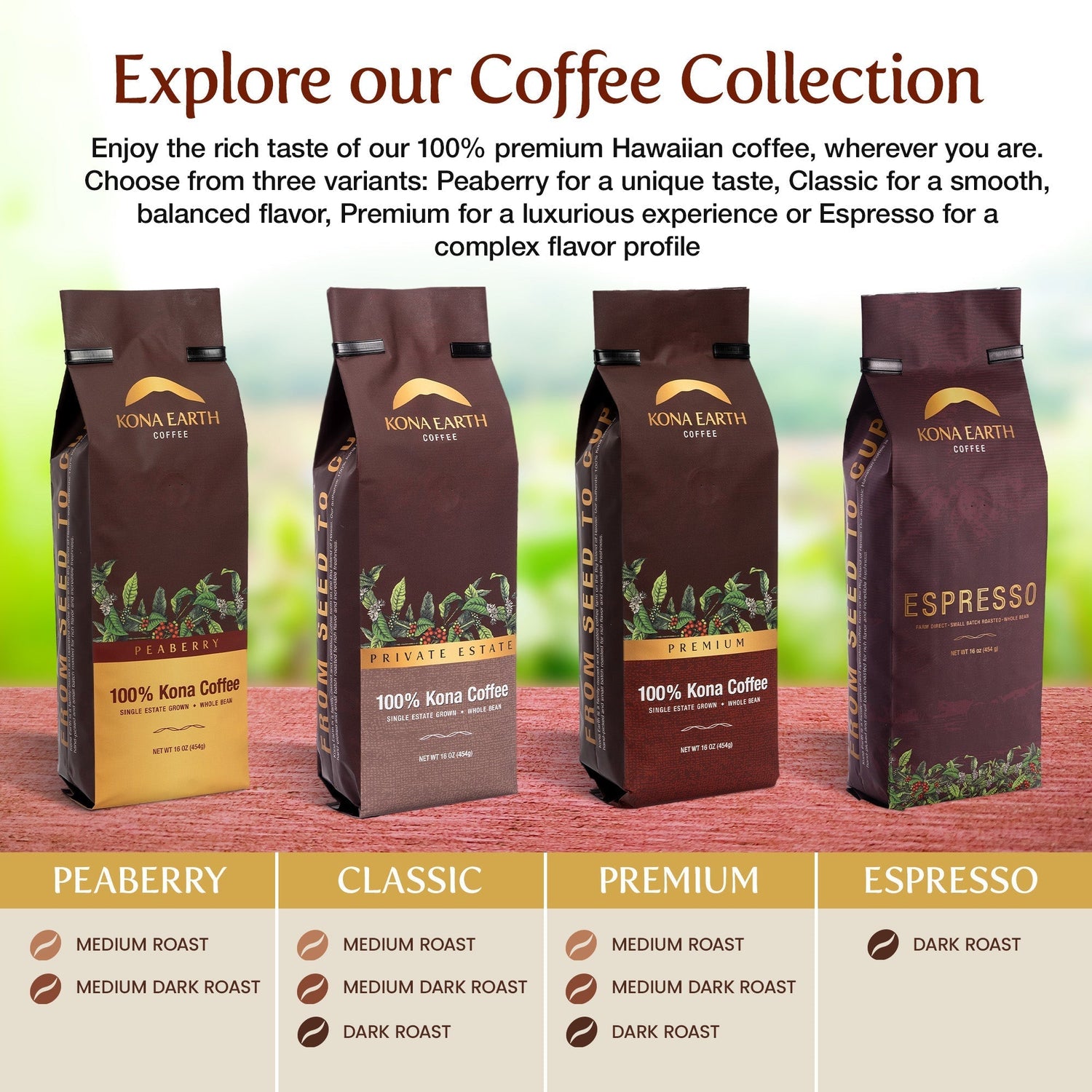
For customers who want all of those qualities in one place, Konaearth.com represents the crop to cup standard with award-winning, 100% Kona Coffee sourced and fulfilled with a direct connection to origin.
The real value of crop to cup coffee
The best premium coffees do more than taste good. They make the entire purchase feel justified from the first aroma to the last sip.
Crop to cup coffee delivers that value because it protects what matters most - origin character, freshness, and trust. It gives buyers a cleaner line of sight into what they are drinking and why it tastes distinct. And for a coffee as respected as 100% Kona coffee, that level of care is not optional. It is what preserves the experience.
When your coffee comes from a direct path rather than a long chain, the difference is not abstract. It is in the aroma when you open the bag, the clarity in the brewed cup, and the confidence that what you chose is exactly what it claims to be.
If you want a coffee ritual that feels more refined, more authentic, and more rewarding, start by asking a better question than dark roast or light roast. Ask how close your coffee stays to the crop that made it exceptional in the first place.
Comments (0)
Leave a Comment