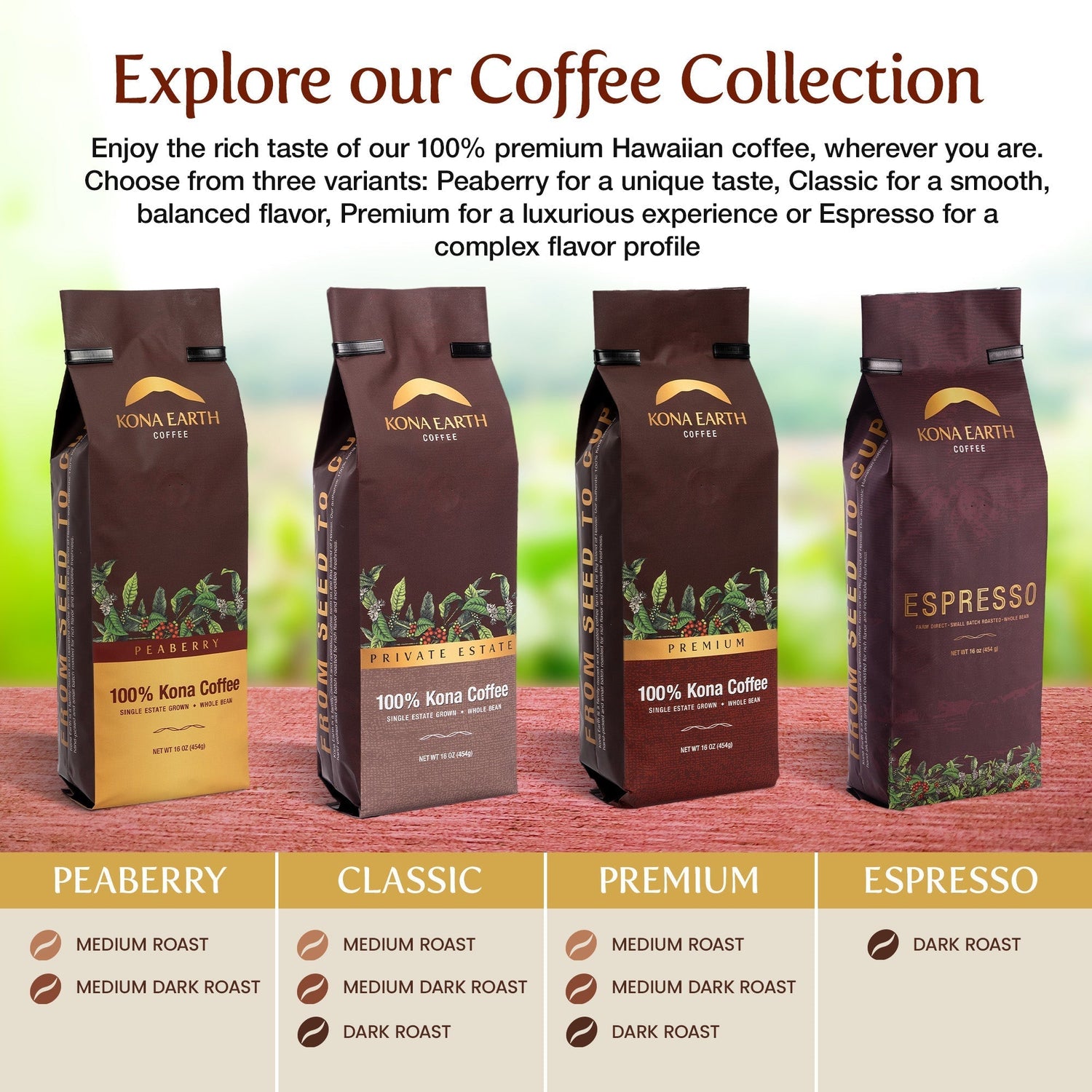

A bag labeled Kona premium can still leave a lot unsaid. Where was it roasted? How long did it sit in storage? Is the origin actually what the package suggests? Direct farm coffee shipping answers those questions with something far more valuable than marketing language - a shorter, more trustworthy path from the source to your cup.
For buyers who care about authenticity, that difference is not small. It shapes freshness, flavor clarity, and confidence in what you are paying for. When the coffee comes straight from the farm or the farm’s own fulfillment channel, the experience feels more precise. You are not just buying coffee. You are buying verified origin, tighter handling, and a product with far fewer chances to lose its character along the way.
What direct farm coffee shipping really means
Direct farm coffee shipping is exactly what premium coffee buyers want it to be - a more direct route between producer and customer. Instead of moving through a long chain of brokers, warehouses, and third-party retail systems, the coffee is packed and shipped through the farm’s own operation or a closely controlled farm-direct model.
That does not mean every order travels from a drying patio to your doorstep overnight. Coffee still needs careful milling, roasting, packaging, and logistics. But in a true farm-direct system, the origin remains central and visible. The people behind the coffee maintain control over quality, presentation, and fulfillment standards instead of handing the product off to layers of middlemen.
For a region like Kona, that matters even more. Authentic 100% Kona Coffee carries a distinct identity tied to place, elevation, climate, and small-lot production. A direct model protects that identity. It gives buyers a cleaner line of sight into what they are receiving and why it tastes the way it does.
Why direct farm coffee shipping is different from standard ecommerce coffee
Plenty of coffee brands sell online. That alone is not the same as shipping coffee directly from the farm. A polished website can still represent coffee that has passed through multiple handlers before it reaches the customer.
The real difference is control. In a farm-direct model, origin is not a broad concept used in ad copy. It is the operating principle. The team closest to the coffee oversees quality from the crop to the roast to the shipment. That usually leads to stronger consistency and more transparent product standards.
It also changes how the coffee is positioned. Commodity coffee tends to compete on convenience and discounting. Farm-direct specialty coffee competes on provenance, freshness, and integrity. For customers buying 100% Kona Coffee, that distinction is essential. Kona’s reputation is premium, but the category can also be confusing when blends and vague labeling come into play. Direct shipping from a trusted source cuts through that confusion.
Freshness is more than a selling point
Fresh coffee is not just about a roast date. It is about how many steps exist between roasting and brewing, how the coffee is packed, and whether fulfillment is handled with care. Every unnecessary transfer introduces more risk - time delays, inconsistent storage conditions, and avoidable exposure that can dull aroma and flavor.
Direct farm coffee shipping reduces those variables. The result is often a livelier cup, with more defined fragrance and a cleaner finish in the brew. That is especially important with premium-origin Kona coffee, where subtle notes are part of its value. If you are buying coffee for regional character, you want those details intact.
With 100% Kona Coffee, freshness supports the entire tasting experience. The appeal is not only that it comes from Hawaii. It is the fact that the cup can express balance, softness, and a polished profile that feels refined rather than generic. Better shipping control helps preserve that signature.
Authenticity carries real value
Premium Kona coffee buyers do not want guesswork. They want assurance that the coffee in the bag matches the promise on the label. Direct shipping helps create that assurance because the origin story and the fulfillment process are connected.
This matters most in categories where origin names carry prestige. Kona is one of the clearest examples. Because the name is so recognized, it can also be misused or diluted in the wider market. That is why farm-direct fulfillment holds such appeal. It supports a more credible claim of authenticity.
When a brand is built around 100% Kona Coffee and ships through a farm-direct model, the value goes beyond convenience. It becomes proof of seriousness. It signals that origin is not being treated as a decorative phrase. It is being protected as the product's core.
The trade-off: premium Kona sourcing is not built for bargain pricing
There is a reason farm-direct specialty coffee commands a premium over mass-market pricing. Smaller production, careful roasting, origin-specific sourcing, and direct fulfillment all cost more than high-volume commodity systems. For some shoppers, that will be the deciding factor.
But premium Kona coffee buyers are usually not comparing it to a bulk bag on a grocery shelf. They are comparing it to the experience they want every morning or the standard they want to send as a gift. In that context, direct farm coffee shipping often feels less like an extra cost and more like a quality filter.
It also helps explain why the right coffee can feel gift-worthy without trying too hard. A coffee with verified origin, small-batch attention, and farm-direct handling already carries a stronger story. It feels intentional. That matters for personal purchases, business gifting, and recurring subscriptions alike.
Why this model fits Kona so well
Kona coffee is not a generic regional style. It is a geographically specific product with a reputation built on purity of origin and careful cultivation. That makes direct shipping a natural fit.
A long, disconnected supply chain can flatten what makes Kona special. A direct model does the opposite. It keeps the product close to its source identity and gives the customer more confidence that the coffee was not blended into something broader, cheaper, or less distinct.
For buyers seeking an elevated daily ritual, that connection matters. There is a different feeling in opening coffee that comes from a source that clearly stands behind every step. The purchase feels less transactional and more assured.
That is one reason brands such as Kona Earth resonate with customers who want verified 100% Kona Coffee delivered with clarity and consistency. The product promise and the shipping model reinforce each other.
Who benefits most from direct farm coffee shipping
Not every coffee buyer is looking for the same thing. Some want the lowest possible price. Others want a dependable premium coffee they can trust without second-guessing the label.
Farm-direct coffee shipping is best suited to customers who value origin integrity, small-batch quality, and a more elevated buying experience. That includes seasoned specialty coffee drinkers, but it also includes shoppers who simply know when a product feels authentic. The model works especially well for subscriptions because repeat delivery makes the source relationship part of the routine, not just a one-time purchase.
It is also ideal for gifting. Premium Kona coffee is more compelling when the origin is clear and the fulfillment feels intentional. A direct-from-source product communicates discernment in a way that generic gourmet packaging rarely can.
What to look for before you buy
If you are considering direct farm coffee shipping, look beyond polished imagery. The strongest signals are straightforward: a clear commitment to origin, specific product labeling, transparent fulfillment language, and a quality standard tied to the farm itself.
For Kona coffee, the most important detail is whether the product is explicitly 100% Kona Coffee. That wording matters. Vague references to Kona style or island inspiration are not the same thing. Buyers paying for a premium origin should expect precision.
It also helps to choose brands that present coffee as a source-defined product rather than a generic flavored lifestyle item. When the farm, the roast, and the shipping model are aligned, the result is usually more trustworthy and more satisfying in the cup.
Farm-direct coffee shipping is not just a logistics choice. It is a quality decision. For anyone who wants coffee with real provenance, fresher handling, and the confidence of true origin, it is one of the clearest ways to buy better. And when that coffee is authentic 100% Kona, the shorter path from farm to cup is part of what makes every brew feel worth returning to tomorrow morning.