
A coffee labeled Hawaiian should taste like a place, not a marketing idea. That is why single origin Hawaiian coffee matters to buyers who care about what is actually in the cup. When the origin is real, the flavor is more vivid, the sourcing is more transparent, and the experience feels worthy of a premium coffee ritual.
For anyone shopping beyond commodity coffee, origin is not a minor detail. It is the foundation of quality, traceability, and taste. In Hawaii, that matters even more because regional identity carries real value, and not every product on the market reflects it with the same level of purity.
What single-origin Hawaiian coffee really means
At its best, single-origin Hawaiian coffee comes from one specific growing region rather than a mixture of coffees from multiple countries or anonymous supply chains. That distinction shapes everything from aroma to finish. You are tasting the influence of one place - its elevation, climate, soil, rainfall, and farming traditions - instead of a profile engineered by blending.
For premium buyers, that matters because coffee becomes more expressive when the origin is clear. The cup has definition. You can notice structure, sweetness, and nuance that often get flattened in broad commercial blends. Instead of a generic roasted taste, you get character tied to the land itself.
Still, origin claims deserve scrutiny. Hawaiian coffee has strong consumer appeal, which can lead to labeling confusion. A package may lean on the romance of Hawaii while containing only a fraction of Hawaiian-grown beans. Buyers who want authenticity should look closely at what is stated, especially when the expectation is a true origin-specific experience.
Why 100% Kona sets the premium standard
Among Hawaiian coffees, 100% Kona Coffee holds a distinct place because the region has earned its reputation through consistent cup quality and a highly recognizable flavor profile. Grown on the slopes of Hualalai and Mauna Loa, Kona coffee benefits from a rare combination of mineral-rich soil, cloud cover, sun, and rainfall that supports slow cherry development and balanced sweetness.
That balance is one reason Kona remains so sought after. A well-roasted cup often presents smooth body, gentle brightness, and layered notes that can range from honey and brown sugar to citrus, cocoa, and soft floral tones. It is refined without being sharp, luxurious without feeling heavy.
The phrase 100% matters just as much as the place name. It tells the buyer that the coffee is not diluted with lower-cost beans from elsewhere. In a category where blends can borrow Kona's prestige without delivering its full sensory experience, purity is more than a claim. It is the difference between tasting the region and tasting the branding.
How origin shapes flavor in the cup
Coffee lovers often talk about roast, but origin is where the story starts. Hawaiian-grown coffee develops under conditions unlike most major coffee-producing regions. The island environment contributes to bean density, sweetness, and acidity in ways that are hard to replicate elsewhere.
When the coffee is single origin, those natural traits remain front and center. You are more likely to notice the cup's precision - a clean aroma, polished mouthfeel, and a finish that lingers without bitterness. That clarity is part of what makes premium Hawaiian coffee feel elevated. It does not need to rely on dark roasting to create impact.
Of course, not every single origin lot will taste identical. Harvest timing, processing method, and roasting style all play a role. Some cups lean brighter and more citrus-forward. Others emphasize caramel richness or nutty depth. That variation is not a flaw. It is one of the pleasures of buying coffee tied to a real agricultural source rather than a fixed industrial formula.
Single origin Hawaiian coffee vs blends
The biggest difference between single origin and blends is control over identity. A blend is built for consistency across large volumes, often by combining coffees to hit a target flavor. That can be useful, but it usually prioritizes predictability over distinctiveness.
Single origin hawaiian coffee offers the opposite appeal. It gives you a direct expression of one region's conditions and quality. For buyers who want a more meaningful cup, that directness is compelling. It creates confidence that the premium price reflects provenance, not packaging alone.
There is also a practical trade-off. Single-origin coffees can show more seasonal variation, and availability may be tighter because supply is naturally limited. For many specialty buyers, that scarcity is part of the value. It signals that the coffee is agricultural and finite, not mass produced. If your priority is authenticity and character, that trade is usually worth it.
What to look for before you buy
A premium coffee purchase should feel clear, not confusing. If you are shopping for authentic Hawaiian coffee, start with origin transparency. The label should tell you exactly what the coffee is and where it comes from. If it says 100% Kona Coffee, that statement should be direct and unmistakable.
Roast freshness matters too. Even exceptional beans lose their brilliance when they sit too long after roasting. Fresh, small-batch roasting preserves the aromatics and sweetness that make high-end coffee memorable. For a buyer investing in origin quality, freshness is not optional. It is part of the product's value.
The fulfillment model also matters more than many shoppers realize. Farm-direct and crop-to-cup sourcing create a closer connection between producer and customer while reducing the distance between harvest, roasting, and delivery. That can support both freshness and trust, especially in a category where authenticity is central to the buying decision.
Finally, consider whether the brand treats coffee like a commodity or a specialty product with a clear pedigree. Award-winning roasting, transparent sourcing, and a focused commitment to 100% Kona Coffee all suggest a higher standard. Premium buyers should expect that standard.
Why premium buyers keep coming back to origin-specific coffee
Once you have tasted coffee with true origin integrity, it is difficult to settle for vague sourcing. The experience is simply more complete. Aroma, flavor, and finish feel connected instead of assembled. That connection turns coffee from a routine purchase into a daily luxury.
It also makes gifting more meaningful. A coffee with a clear Hawaiian origin carries a stronger sense of place and quality than a generic premium label. It feels considered, elevated, and memorable - the kind of gift that signals taste rather than convenience.
For subscribers and repeat buyers, origin purity builds trust over time. You know what you are returning to: a coffee with a real regional identity, handled with care from farm to cup. That confidence is valuable, especially for customers who want their everyday ritual to feel indulgent without feeling uncertain.
The case for choosing authenticity over approximation
Not every coffee needs to be rare, exclusive, or origin-driven. But when you are paying for Hawaiian coffee, authenticity should be part of the experience. If the label trades on place without fully delivering it, the cup usually falls short as well.
That is why 100% Kona Coffee continues to stand apart. It offers the kind of provenance premium buyers are looking for, along with the smooth, elegant cup profile that has made Kona famous. When sourced directly and roasted in small batches, it delivers more than a name. It delivers a standard.
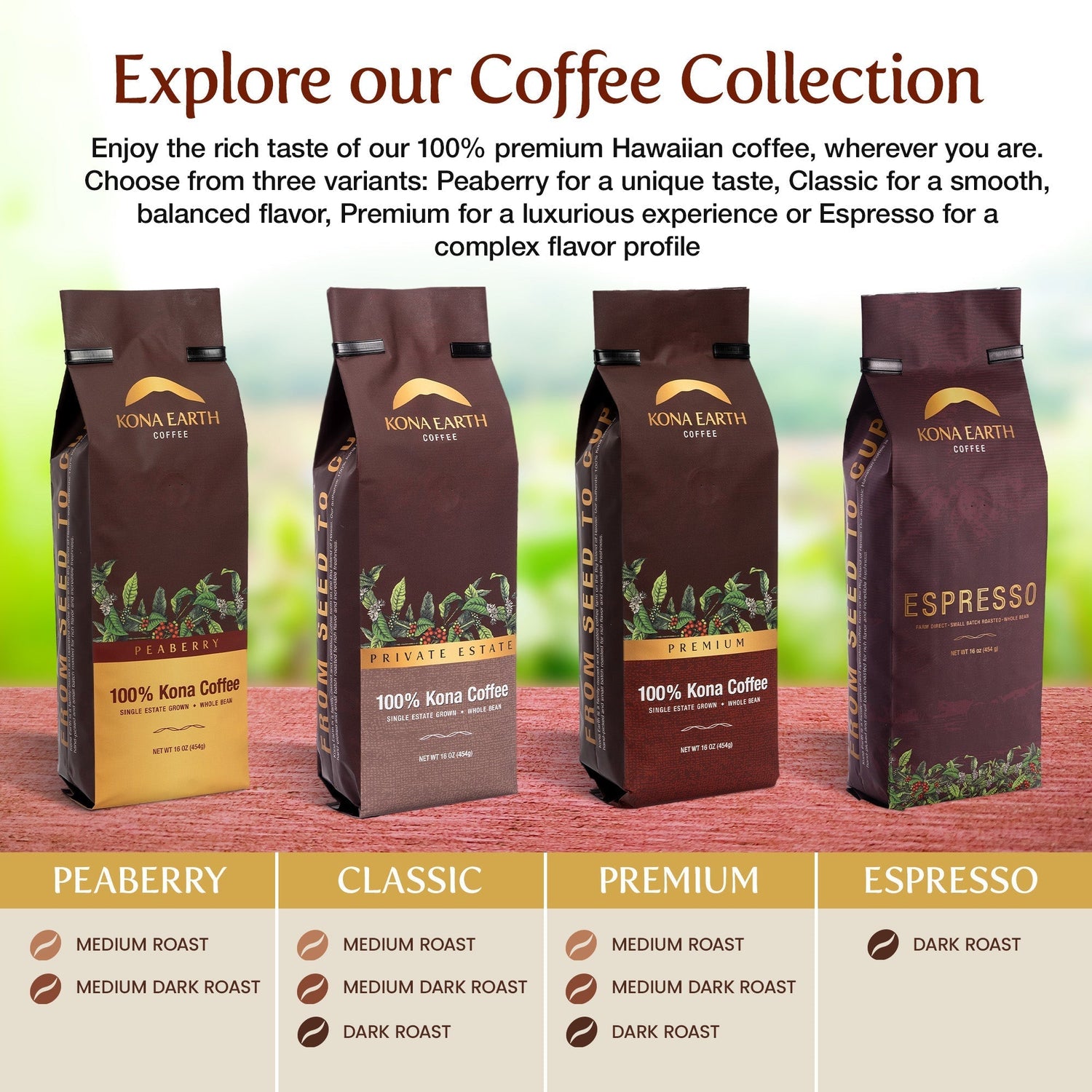
Konaearth.com reflects that standard through an award-winning, farm-direct approach built around verified 100% Kona Coffee. For buyers who want the real taste of Hawaii rather than a diluted version of it, that difference is easy to appreciate the moment the first cup is poured.
The best coffee purchases are the ones that feel justified before the bag is even open. With true Hawaiian origin, the promise is not abstract. It is something you can smell, taste, and return to with confidence.
Comments (0)
Leave a Comment