

The best specialty coffee is not defined by a clever label or a beautiful bag. It begins with a traceable place, careful cultivation, and coffee that reaches your cup while its character is still alive. For coffee drinkers who want a more elevated daily ritual, 100% Kona Coffee offers something rare: a distinctly Hawaiian origin, exceptional care from farm to roast, and a cup that feels as memorable as the place it comes from.
What Makes the Best Specialty Coffee Different?
Specialty coffee is built on precision. The growing environment matters. The selection of ripe coffee cherries matters. Processing, drying, storage, roasting, and shipping all matter. When one stage is rushed or disconnected from the others, the final cup can lose the clarity, fragrance, and sweetness that make exceptional coffee worth seeking out.
The best specialty coffee should offer more than a promise of quality. It should give you confidence in what is in the bag, where it was grown, and how it was handled. That is especially valuable when buying coffee online, where origin claims can sound impressive but tell only part of the story.
Kona Coffee is one of the most recognized origins in the world, yet the name alone doesn't guarantee purity. Many products marketed with Kona on the label contain only a small percentage of coffee grown in the Kona district. For a true origin experience, look for a clear 100% Kona Coffee statement. It is the difference between tasting a celebrated region and tasting a blend that merely borrows its name.
Why Origin Is the First Test of Great Coffee
Coffee is an agricultural product, and its flavor begins in the soil, climate, and elevation of its origin. The Kona district on Hawaii's Big Island has volcanic soil, gentle mountain slopes, warm days, cool nights, and frequent cloud cover that support slow, balanced cherry development. Those growing conditions help create the refined profile that makes authentic Kona Coffee so sought after.
A well-produced cup of 100% Kona Coffee is often smooth and naturally sweet, with a polished body and subtle notes that may suggest chocolate, toasted nuts, caramel, or bright fruit. The exact expression changes with harvest conditions and roast style, which is part of its appeal. Great coffee should taste as it came from somewhere specific, not like it was designed to be indistinguishable from every other bag on the shelf.
Origin also adds accountability. When coffee comes directly from a known growing region and the producer maintains control over its journey, fewer gaps exist between the farm and your kitchen. That control protects quality and allows customers to buy with greater confidence.
Read Labels for What They Actually Say
A premium price does not automatically mean premium coffee. Before choosing a bag, look beyond broad phrases such as "Hawaiian-style" or "Kona blend." A transparent coffee company should state the coffee's origin plainly and identify whether the contents are 100% Kona Coffee.
This is not about rejecting blends as a category. Blends can be enjoyable and thoughtfully made. But they are not the same purchase as single-origin Kona coffee. If you want authentic Kona character, the label should confirm it without vague language or fine print.
Fresh Roasting Changes the Cup
Even extraordinary coffee cannot show its full potential if it sits too long after roasting. Freshness is where specialty coffee becomes a practical pleasure rather than an abstract promise. In the days and weeks after roasting, whole beans retain the aromatic compounds that create a lively fragrance, full flavor, and satisfying finish.
Small-batch roasting makes this possible. Roasting in smaller quantities allows greater attention to each batch and helps prevent coffee from spending unnecessary time in warehouses. It also gives the roaster more control over development, making it easier to preserve the coffee's natural sweetness and origin-driven character.
For most home brewers, whole bean coffee is the strongest choice. Grinding immediately before brewing preserves more aroma and gives you control over the grind size for your preferred method. A coarse grind suits a press-style brewer, while a medium grind works well for most drip machines. The goal is simple: match the grind to the brewer so the cup tastes balanced rather than thin, sharp, or overly bitter.
Freshness does involve a trade-off. Buying in very large quantities can seem convenient, but coffee is best enjoyed while it is still vibrant. Choose an amount you can reasonably finish within a few weeks of opening, then store the beans in an airtight container away from heat, light, and moisture. The refrigerator is not the answer. Frequent temperature changes can introduce unwanted moisture and mute the coffee's aroma.
Farm-Direct Coffee Delivers More Than Convenience
The most compelling specialty coffee purchases create a direct connection between the person who grows the coffee and the person who enjoys it. A farm-direct model keeps more control within the production process, from crop selection and harvesting through roasting and fulfillment. That continuity matters because quality is not a single decision. It is a chain of decisions.
When a coffee is shipped directly from the farm, the path is shorter and clearer. There is less opportunity for the product to be mixed, stored indefinitely, or separated from its original story. You receive coffee with a more meaningful connection to its source, along with the assurance that the people behind it have a direct stake in how it tastes in your cup.
For gifting, that difference is even more powerful. A bag of verified 100% Kona Coffee is not a generic gesture. It brings a sense of place to the recipient's morning, whether it is shared at a holiday table, sent as a thank-you, or included in a thoughtfully chosen gourmet gift. The appeal is both sensory and personal: exceptional coffee with a real Hawaiian origin.
How to Choose the Right Kona Coffee for Your Routine
Your ideal coffee should fit the way you actually brew and drink it. If you enjoy a bright, expressive cup with a lighter body, a medium roast can highlight more of Kona's delicate character. If you prefer richer sweetness and a deeper, more familiar profile, a medium dark or darker roast may feel more satisfying. Neither preference is more sophisticated. The better choice is the one that makes you look forward to the next cup.
Consider the format, too. Whole beans reward a little more preparation with fresher flavor and greater control. A recurring delivery program can be especially useful for households that do not want to risk running out or settling for whatever is available locally. Regular delivery keeps a premium coffee ritual consistent, while subscription savings make authentic Kona Coffee easier to keep within reach.
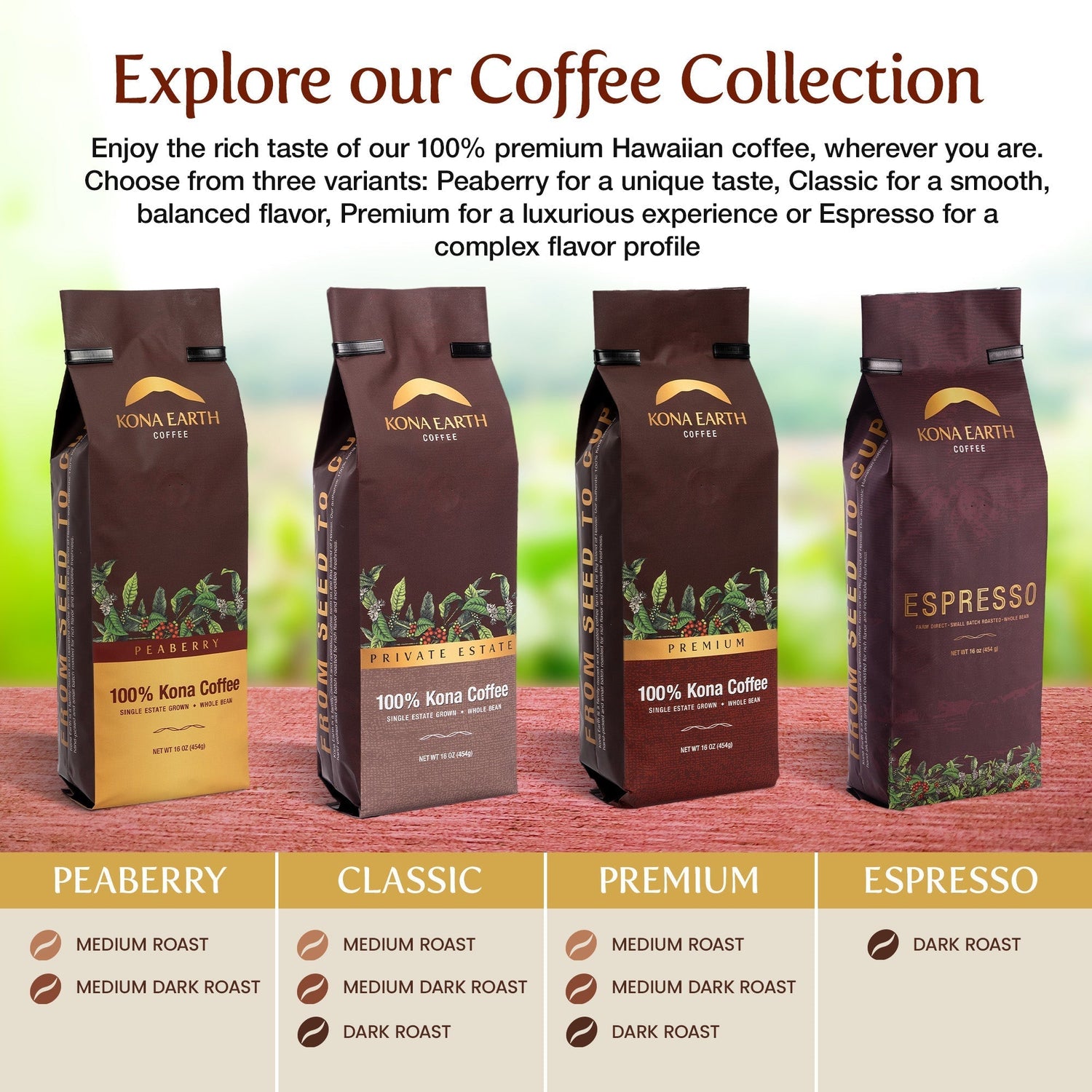
Kona Earth reflects this farm-to-cup approach with award-winning, small-batch roasted 100% Kona Coffee shipped directly from the farm. The focus is straightforward: protect the integrity of the origin, roast with care, and bring the experience of Hawaii to coffee lovers who expect more from every bag.
Brew It With Respect for the Bean
You do not need complicated equipment to enjoy exceptional coffee. Start with clean water, a measured coffee-to-water ratio, and a grinder set for your brewing method. Let the coffee's aroma guide you before the first sip. Freshly ground Kona Coffee should smell inviting and layered, not flat or stale.
Avoid treating every coffee exactly the same. A slight adjustment in grind size, water temperature, or brew time can bring a cup into balance. If it tastes sour or underdeveloped, grind a little finer or extend the brew slightly. If it tastes dry or harsh, grind a little coarser or shorten the contact time. These small refinements are how a premium bean becomes a genuinely exceptional cup.
The right coffee does more than energize the morning. It creates a pause worth keeping: the fragrance of freshly ground beans, the warmth of the first sip, and a direct taste of a place known for producing some of the world's most distinctive coffee.
Comments (0)
Leave a Comment