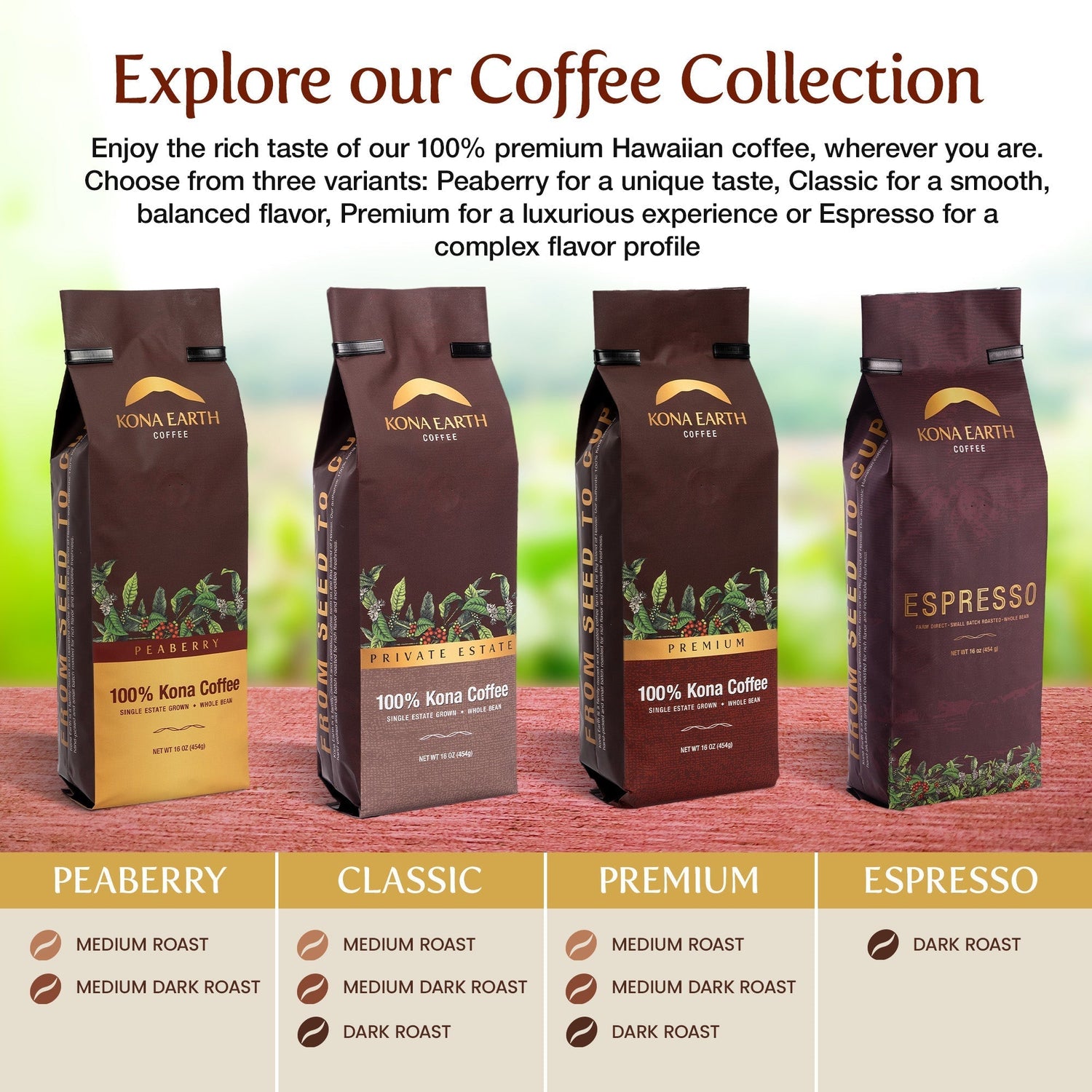

The difference shows up before the first sip. Open a fresh bag of small batch roasted Kona coffee and the aroma is layered and precise - toasted nuts, brown sugar, citrus brightness, and the soft floral character that makes authentic 100% Kona coffee so sought after. This is not coffee built for warehouse shelves or generic sameness. It is coffee roasted with attention, in limited quantities, to preserve what the Kona growing region does best.
For buyers who care about origin, freshness, and credibility, small-batch roasting is not a marketing flourish. It is part of the quality story. When coffee is grown in a celebrated region and fulfilled closer to harvest and roast, every decision matters. The lot size, roast curve, degassing window, and delivery timing all affect what reaches your cup. With Kona coffee, that matters even more because the origin is rare, premium, and too often imitated by blends that borrow the name without delivering the experience.
What small batch roasted Kona coffee really means
Small batch roasted Kona coffee refers to coffee roasted in limited quantities rather than in large industrial runs. The practical benefit is control. Smaller batches allow the roaster to respond to the density, moisture, and flavor potential of a specific lot instead of forcing every bean through a one-size-fits-all process.
That control matters with Kona coffee because the beans already bring a distinct profile. Genuine 100% Kona coffee is known for balance rather than blunt intensity. It tends to offer a smooth body, gentle acidity, and nuanced sweetness. Roast it too aggressively and those qualities flatten. Roast it with care and the cup keeps its elegance.
In premium coffee, roasting is not about making beans darker to seem bolder. It is about revealing origin character without scorching it. Small-batch roasting gives the roaster more room to do exactly that.
Why Kona origin deserves a more careful roast
Not all origins ask for the same approach. Kona coffee is grown on the slopes of Hawaii, where elevation, volcanic soil, cloud cover, and a mild climate contribute to a profile that is refined and clean. That profile is part of the value. Buyers are not paying for a label alone. They are paying for an origin with a reputation built on cup quality.
This is where trade-offs come in. A very dark roast can create a smoky, bitter edge that some drinkers associate with strength, but it can also bury the delicate sweetness and soft fruit notes that make Kona distinctive. A roast that is too light, on the other hand, may leave the cup underdeveloped and miss the caramelized depth many customers expect from a luxury everyday coffee. The best small-batch roasted Kona coffee lands in the middle with intention - developed enough to feel rich, restrained enough to stay transparent to the bean.
For customers seeking premium Hawaiian coffee, that balance is the point. You want the signature smoothness, not a roast profile that tastes interchangeable with any other coffee on the market.
Freshness is part of the luxury
Coffee is an agricultural product, and freshness shapes the drinking experience. Once roasted, beans begin releasing gases and gradually losing aromatic intensity. That does not mean coffee turns stale overnight, but it does mean timing affects quality.
Small-batch roasting supports a fresher path from roaster to customer because production is typically aligned more closely with real demand. Instead of sitting for extended periods in broad distribution channels, the coffee can move more directly. For a premium buyer, that shorter distance between roast and cup is not a minor detail. It is one of the reasons the cup tastes vivid rather than flat.
This direct model also fits what many coffee buyers now want from luxury food products: a clearer connection to source. Farm-direct fulfillment and crop-to-cup transparency are not just operational claims. They create confidence that the coffee in the bag reflects the place it came from, not a commodity system designed around shelf life first.
How small-batch roasting protects flavor
The best small batch roasted Kona coffee stands out because it tastes composed. You notice sweetness before bitterness. You get aroma with depth, not just surface roast. The finish feels clean.
That happens because smaller roasting runs make it easier to monitor temperature changes, airflow, and development time with precision. Tiny adjustments can shape whether the cup leans more toward milk chocolate and macadamia or toward citrus and honey. In large-scale production, consistency often means simplifying the profile. In small batches, consistency can mean preserving the best expression of the bean.
This is especially valuable when the coffee itself is premium and limited. If the goal is to showcase authentic 100% Kona coffee, then the roast should serve the bean, not dominate it.
Authenticity matters in a crowded Kona market
One reason informed buyers seek small batch roasted Kona coffee is simple: the Kona category can be confusing. Many products use Kona language loosely or rely on blends that contain only a small percentage of Kona coffee. That can leave customers paying for an idea rather than the real thing.
Small-batch, farm-direct coffee signals a different standard. It suggests that the producer values traceability, freshness, and origin integrity enough to keep the process close. That does not automatically guarantee quality, but it is often a strong sign that the coffee is being positioned as a true specialty product rather than a tourist label.
For gift buyers, this matters as much as it does for enthusiasts. If you are sending Kona coffee as a premium gesture, authenticity is part of the value. The recipient should taste Hawaii in the cup, not a generic blend wrapped in island branding.
Who benefits most from small batch roasted Kona coffee
The answer is broader than many people assume. Serious coffee drinkers appreciate the nuance because they know how rare true Kona can be. Subscription buyers value the freshness and reliability of receiving premium coffee on a regular cadence. Gift shoppers like the fact that it feels both luxurious and credible.
It also works for customers who simply want their morning cup to feel elevated. You do not need to be a coffee professional to notice when the cup is smoother, cleaner, and more aromatic. Small-batch roasted Kona coffee appeals to people who want a daily ritual that feels intentional, not ordinary.
There is a price consideration, of course. Authentic 100% Kona coffee costs more than commodity coffee and more than most blends. That is the nature of a limited origin with high recognition and strong demand. But for buyers who prioritize purity, sourcing, and cup quality, the premium is tied to something tangible.
How to choose the right small batch roasted Kona coffee
Start with the clearest standard: look for 100% Kona coffee, not a blend. If the origin is the reason for the purchase, purity should not be vague.
Next, pay attention to how the coffee is presented. Premium coffee sellers should speak with confidence about sourcing, roasting, and fulfillment. Words like award-winning, farm-direct, and from farm to cup mean more when they align with a consistent commitment to origin authenticity.
Then consider your taste preference. If you want more brightness and nuance, choose a roast that preserves the bean's natural sweetness and acidity. If you prefer a richer, more rounded cup, a slightly deeper roast may be the better fit. Neither choice is wrong. The better question is whether the roast still lets the Kona identity come through.
Finally, think about how you buy coffee. If freshness matters and you know you will reorder, a subscription can make sense. Regular delivery helps keep premium coffee in rotation without settling for whatever is available locally. For many households, that turns an occasional indulgence into a more consistent standard.
Small batch roasted Kona coffee and the everyday ritual
Luxury coffee should not feel complicated. The appeal of small batch roasted Kona coffee is that it brings a rare origin into a simple daily moment and makes that moment feel more complete. You open the bag, grind the beans, and the room changes. The cup meets you with sweetness, softness, and just enough brightness to stay lively.
That is why brands built around authentic Kona continue to resonate with discerning buyers. They are not selling caffeine alone. They are offering verified origin, careful roasting, and a more direct relationship between the farm and the cup. For customers who want something real in a category crowded with shortcuts, that difference is easy to taste.
If your coffee standard is higher than convenience and lower than pretension, this is where small-batch roasting earns its place. A well-roasted Kona coffee does not need to overstate itself. It simply tastes like care, and that is exactly what makes people come back to it.
Comments (0)
Leave a Comment