
One sip tells the story faster than the price tag ever could. If you have asked, is Kona coffee worth it, the real question is not whether it costs more. It is whether the cup delivers something ordinary coffee cannot: verified origin, remarkable smoothness, and the kind of flavor that feels unmistakably rare.
For buyers who care about where their coffee comes from, Kona coffee stands apart. Grown on the volcanic slopes of Hawaii, true 100% Kona coffee is limited by geography, climate, and harvest volume. That scarcity matters, but so does the experience in the cup. When it is authentic and properly roasted, Kona coffee offers a refined profile that feels luxurious without trying too hard.
Is Kona coffee worth it for flavor alone?
Sometimes yes. Sometimes not. It depends on what you value in coffee and, just as important, what you are actually buying.
Authentic 100% Kona coffee is known for balance more than aggression. It is not prized because it is the darkest, strongest, or most bitter cup on the shelf. It is prized because it is smooth, layered, and clean. Many drinkers notice gentle sweetness, bright but controlled acidity, and a soft finish that makes a second cup easy to justify.
That matters if you are tired of coffee that tastes harsh, burnt, or one-dimensional. Premium coffee should not rely on intensity alone. It should offer character. Kona coffee often does that with elegance, which is a big reason it commands attention among specialty buyers and gift shoppers alike.
If your ideal coffee is smoky, heavy, and aggressively roasty, Kona may not be your first choice. But if you want a cup with polish, clarity, and origin character, it becomes easier to understand why people return to it again and again.
The price question: why Kona costs more
Kona coffee is not expensive by accident. It is expensive because true Kona production is limited, labor-intensive, and tied to one of the most recognizable coffee origins in the United States.
Unlike commodity coffee, 100% Kona coffee comes from a very specific region with a finite output. There is no endless supply. That alone raises the value. Add careful cultivation, small-batch roasting, and direct fulfillment, and the premium starts to make sense.
Price also reflects authenticity. In a market filled with products that use the Kona name loosely, verified 100% Kona coffee carries a different kind of value. You are not paying only for a label. You are paying for a specific place, a specific harvest, and a coffee that is not meant to be interchangeable with mass-market blends.
For many buyers, that distinction is worth paying for. For others, it depends on how they drink coffee. If coffee is simply a caffeine routine, the premium may feel unnecessary. If coffee is part of a daily ritual, a gift, or a purchase tied to quality and origin, the value equation changes quickly.
What makes 100% Kona coffee different
The phrase 100% matters more than most shoppers realize. This is where a lot of confusion starts.
Not every product labeled with Kona language is fully Kona coffee. Some products are blends, which means only a portion of the beans come from Kona. That can create a big gap between expectation and experience. A buyer sees the Kona name, pays a premium, then tastes something that feels ordinary. In that case, the issue is not Kona coffee itself. The issue is dilution.
True 100% Kona coffee delivers purity of origin. That means the flavor profile, aroma, and overall experience reflect the region rather than being softened or masked by lower-cost beans from elsewhere. For customers who care about authenticity, that difference is everything.
It is also why farm-direct sourcing matters. When coffee moves with a clear line from crop to cup, trust improves. You know what you are getting. In a premium category, that confidence is part of the product.
Is Kona coffee worth it compared with everyday premium coffee?
If your benchmark is ordinary supermarket coffee, the answer is easy. Kona coffee offers a more distinctive and elevated experience.
If your benchmark is other specialty coffees, the answer becomes more nuanced. Kona coffee is not automatically better for every palate. Some origins are more fruit-forward. Some are earthier. Some are more intense. Kona wins with balance, smooth texture, and a clean, elegant finish that feels approachable while still being special.
That makes it especially appealing for people who want sophistication without rough edges. It also makes Kona coffee an excellent gift. You do not need to explain it with a long tasting lecture. The quality is easy to appreciate, even for someone who is not deep in coffee terminology.
For subscribers and repeat buyers, the value often comes from consistency. When you find an authentic source that delivers genuine 100% Kona coffee, you are not gambling on the next bag. You are investing in a reliable premium ritual.
When Kona coffee is absolutely worth it
Kona coffee earns its place when the buyer cares about authenticity, flavor quality, and direct connection to origin. It is especially worthwhile if you want a coffee that feels indulgent but still grounded in craftsmanship.
It also makes sense when you are buying for an occasion. A thoughtful host gift, a holiday bundle, a personal upgrade from commodity coffee, or a subscription that brings something exceptional into the routine each month - these are all moments where Kona coffee feels aligned with the purchase.
And if you have ever felt disappointed by vague origin claims or coffees that promise premium quality but taste generic, authentic Kona can be a meaningful upgrade. The difference is not just branding. It is traceability, rarity, and cup quality working together.
When it may not be worth it
There are cases where Kona coffee may not be the right fit.
If price is the only filter you use, Kona will probably feel expensive. If you mainly add heavy creamers, syrups, or sweeteners that cover the coffee’s natural profile, the subtle strengths of Kona may get lost. And if you are buying a product that is not clearly identified as 100% Kona coffee, you may not get the experience that justifies the cost.
That does not diminish the value of real Kona coffee. It simply means premium origin coffee rewards buyers who want to taste the coffee itself.
How to tell if Kona coffee is worth it before you buy
Start with the label. Look for 100% Kona coffee, not vague wording built around the Kona name. Then consider the source. Farm-direct fulfillment adds confidence because it shortens the path between origin and customer.
Roasting also matters. Small-batch roasting helps preserve the character that makes Kona special in the first place. Freshness, origin transparency, and clear quality standards should all be part of the purchase.
This is where premium brands earn trust. The best ones do not hide behind romance alone. They lead with proof: authentic sourcing, origin purity, and a cup quality that reflects the price.
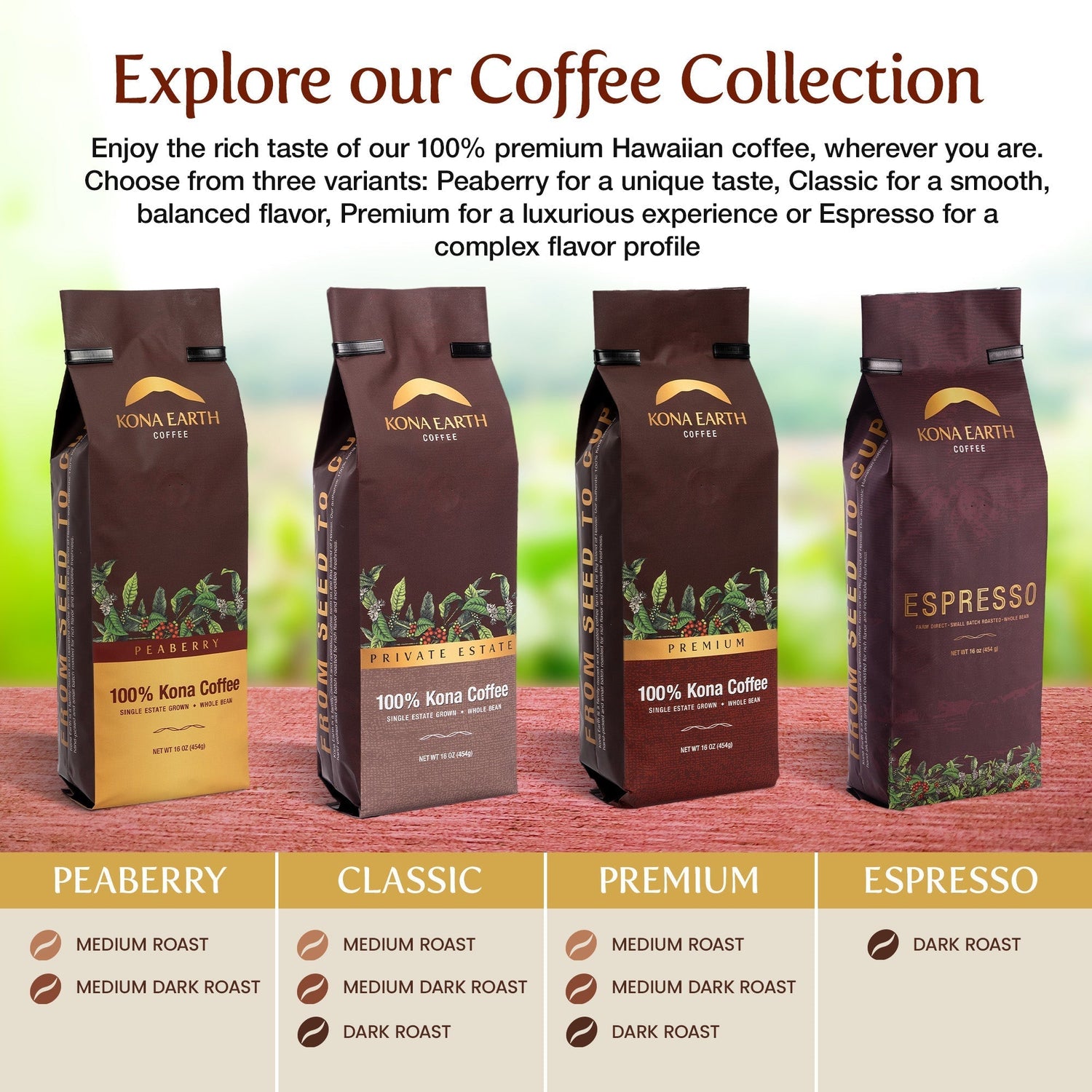
For shoppers who want that level of assurance, Kona Earth represents the standard the category should meet - award-winning 100% Kona Coffee, fulfilled farm-direct, with the kind of authenticity that gives the premium real substance.
So, is Kona coffee worth it?
Yes, when it is real.
That is the shortest honest answer. Authentic 100% Kona coffee is worth it for buyers who want more than a basic bag of beans. It offers a rare combination of smooth flavor, verified origin, and premium craftsmanship that commodity coffee cannot replicate.
The catch is simple: not every product using the Kona name delivers the real experience. If you choose true 100% Kona coffee from a trusted, farm-direct source, you are paying for something specific, limited, and genuinely elevated.
For some people, that will always be a luxury. For others, it becomes the easiest way to make an everyday ritual feel exceptional. When a coffee brings origin, authenticity, and pleasure into the same cup, value stops being abstract and starts tasting very clear.
2 comments
A the end of the “worth it” comments, why not offer enough Peaberry (or?) for two cups, no charge. This will “offer a rare combination of smooth flavor, verified origin” to a potential customer and give you this additional potential customer to add to your marketing database (very well done web pages). Will it work? Try this approach for a month or so and compare to the previous month financials. Every participant has their own coffee and will probably not order until it is gone. But if they could experience Kona Earth quickly and complimentary, their coffee may be ditched and replaced with an order to Kona Earth.
No other coffee, even other 100% Kona, tastes as good and consistently makes waking up something to really look forward to. This is my only source and has been for well over a year now. Nothing, blue mountain, Columbia, Peru, Kenya, or Yemen, even comes close. Day to day it’s the joy of life.