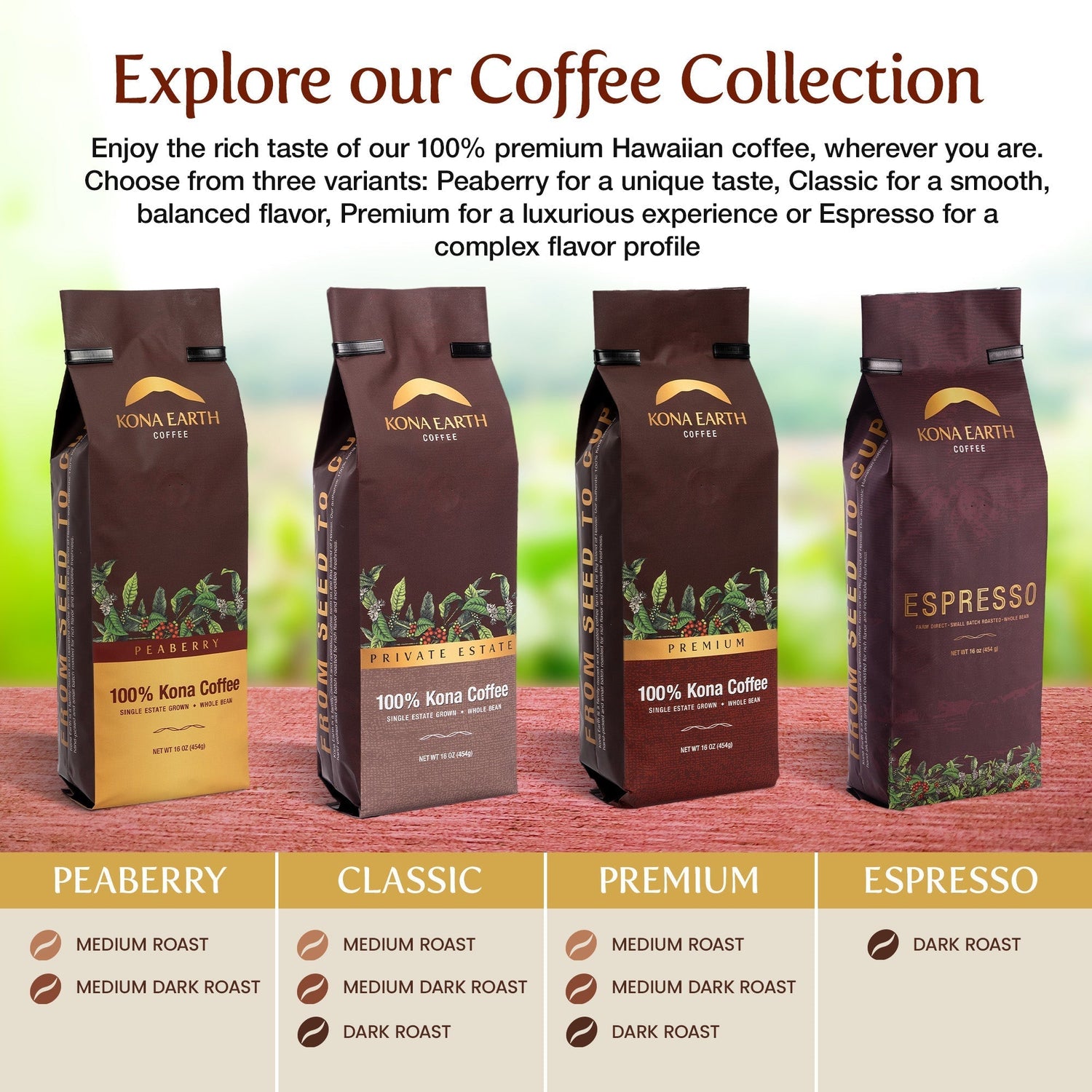


A bag of coffee can promise a bold morning, but the real question is what happened before the beans reached your kitchen. In the specialty coffee vs commodity coffee conversation, the difference is not simply price or packaging. It is the difference between coffee treated as an anonymous raw material and coffee handled as a distinct agricultural product with a known origin, a careful roast, and a flavor worth protecting.
For coffee drinkers who want more from their daily cup, origin matters. A true 100% Kona coffee offers a sense of place that mass-market blends cannot imitate: bright island-grown character, elegant sweetness, and a smooth finish shaped by Hawaii's exceptional growing conditions. When that coffee is shipped farm-direct in freshly roasted whole bean form, the experience becomes even more personal.
Specialty Coffee vs Commodity Coffee: The Core Difference
Commodity coffee is bought and sold largely by volume. It is commonly blended from many farms, regions, or even countries to create a consistent, broad-market profile. Consistency has its place, especially when a buyer needs a familiar taste at scale. But that system often makes the farm, harvest, variety, and processing decisions invisible to the person drinking the coffee.
Specialty coffee takes the opposite approach. It values the details that create quality: where the coffee grew, how ripe the cherries were when picked, how the beans were processed, and how thoughtfully they were roasted. Rather than flattening differences between harvests, specialty coffee makes room for the character of a particular region and crop.
That is why a premium cup can taste so distinct. It may carry notes of brown sugar, toasted nuts, gentle fruit, or cocoa, not because flavoring was added, but because careful cultivation and roasting allowed the bean's natural qualities to come forward.
Coffee as a crop, not just a product
Coffee begins as fruit, and like wine grapes or seasonal produce, its quality is shaped long before roasting. Elevation, rainfall, soil, shade, timing, and processing all influence the final cup. Commodity supply chains are designed to move enormous quantities efficiently. Specialty supply chains are designed to preserve a coffee's best qualities from crop to cup.
This does not mean every commodity coffee is unpleasant or every specialty coffee will suit every palate. Some drinkers prefer a very dark, uniform profile, and convenience can be a legitimate priority. The trade-off is that commodity coffee rarely offers the traceability or origin-specific flavor that makes a premium coffee memorable.
Why Traceability Changes the Cup
Traceability is one of the clearest signs of specialty coffee. It means the seller can speak with confidence about where the coffee comes from and how it was produced. Instead of a vague label that relies on a region's reputation, traceable coffee gives the customer a meaningful connection to the source.
This is especially significant with Kona coffee. Kona is a specific growing region on Hawaii Island, and its name carries a well-earned reputation for exceptional quality. Yet Kona labeling can be confusing when products use small amounts of Kona coffee in broader blends. For customers seeking the genuine article, the standard should be clear: 100% Kona Coffee, identified honestly and delivered with confidence.
Farm-direct fulfillment strengthens that promise. With control maintained through cultivation, processing, small-batch roasting, and shipping, there are fewer handoffs between the farm and your cup. That closer chain helps protect origin purity while giving the producer greater oversight of quality at every stage.
It also brings a practical benefit: freshness. Coffee is at its most expressive when it has been roasted recently and stored well. Whole beans preserve aroma and flavor longer than pre-ground coffee, allowing you to grind only what you need just before brewing. The result is a more fragrant, more vivid cup at home.
Flavor Is Where the Difference Becomes Real
The language around premium coffee can sound abstract until the first sip. Specialty coffee is often more balanced, aromatic, and layered because the beans were selected and roasted to highlight their inherent qualities. You may notice sweetness before bitterness, a clean finish rather than a harsh edge, and flavors that linger without becoming heavy.
Commodity coffee is frequently roasted darker to create a reliable flavor profile and to reduce variation between lots. A darker roast is not automatically a flaw. It can deliver body, depth, and the familiar intensity some coffee drinkers enjoy. However, when roasting becomes the dominant flavor, it can obscure the character of the coffee itself.
A carefully roasted 100% Kona Coffee is prized for a different kind of richness. Expect a smooth, refined profile with balanced acidity and a satisfying finish. It has enough clarity to enjoy black and enough structure to stand up beautifully in your preferred morning preparation.
Small-batch roasting protects what the farm produced
Roasting turns agricultural potential into aroma, body, and flavor. Large production runs prioritize output and uniformity. Small-batch artisanal roasting gives the roast team more control over time, temperature, and development, helping each batch reach its intended expression.
For farm-direct Kona coffee, that attention matters. The goal is not to cover up the bean's identity. It is to reveal it. Small-batch roasting supports a fresher product, while whole bean delivery gives customers the best chance to experience the coffee as it was meant to taste.
Price, Value, and the Everyday Ritual
Specialty coffee costs more than commodity coffee because it asks more of every step. Selective harvesting takes time. Careful processing requires expertise. Responsible handling, smaller roast batches, and direct fulfillment all carry real costs. Premium pricing reflects a product that isn't treated as interchangeable.
The better question is not whether specialty coffee costs more per bag. It is whether your daily coffee delivers more value in the cup. A coffee you look forward to can transform an ordinary morning into a small ritual of pleasure. It can also make a thoughtful gift, particularly when the recipient values quality, authenticity, and the spirit of Hawaii.
Both kinds of coffee have a place, depending on the occasion. Commodity coffee may satisfy a need for volume, office service, or a quick caffeine routine. Specialty coffee is for the moments when you want to taste where your coffee came from and feel confident about what you are bringing into your home.
How to Choose Coffee With Confidence
Start with the label. If regional origin is what you are paying for, look for a clear statement of purity rather than language that leaves room for an unspecified blend. For Kona coffee, 100% Kona Coffee is the standard that protects the experience you expect.
Next, consider freshness and format. Whole beans offer more control over your brew and better preserve the aromatic oils that make coffee inviting. A seller that roasts in small batches and ships directly from the farm has a meaningful advantage over coffee that may have spent extended time moving through large distribution networks.
Finally, choose the flavor experience you want. If you value smoothness, balance, and an unmistakable sense of origin, specialty coffee is a compelling choice. If you are buying for a gift or stocking a coffee subscription, traceable farm-direct coffee also carries a story that feels as special as the cup itself.
Kona Earth brings that standard together with award-winning, small-batch roasted 100% Kona Coffee shipped from farm to cup. It is an invitation to make your next brew more than a routine: fresh whole beans, a verified Hawaiian origin, and a taste of paradise worth savoring slowly.
Comments (0)
Leave a Comment