
Coffee grown in the United States is not a commodity story. USA coffee farming happens in a remarkably small part of the country, where elevation, rainfall, soil, and patient cultivation align to create coffee with a true sense of place. For buyers who care where their morning cup began, that rarity is part of the appeal.
Hawaii is the center of American coffee production, and the Kona district on the Island of Hawaii holds a singular place within it. Here, 100% Kona Coffee is shaped by volcanic ground, measured mountain weather, and the focused work required to bring ripe coffee fruit from farm to cup. The result is not simply Hawaiian coffee by name. It is a distinct origin with a refined, memorable character.
Why USA Coffee Farming Is So Rare
Coffee is demanding. The plant needs a narrow range of conditions: warmth without damaging heat, reliable moisture, healthy drainage, and seasons that support flowering and fruit development. Much of the continental United States cannot provide that combination consistently enough for specialty coffee cultivation.
Hawaii can. Its tropical latitude and ocean influence help moderate temperatures, while its volcanic landscapes provide rich, well-drained soils. Yet favorable conditions do not make coffee effortless. Each growing area has its own rainfall pattern, wind exposure, slope, and microclimate. A few miles can make a meaningful difference in how coffee develops in the cup.
That is why American-grown coffee should be viewed through the lens of origin rather than volume. The limited scale is a feature, not a flaw. It gives growers and roasters the opportunity to focus on the details that mass-market supply chains often flatten: careful cultivation, selective harvesting, freshness, and traceability.
Kona Coffee and the Value of Place
The Kona district sits along the western slopes of Hualalai and Mauna Loa on the Island of Hawaii. Coffee trees benefit from sunny mornings, cloud cover that often arrives later in the day, moderate temperatures, and porous volcanic soil. This environment encourages a slow, balanced development of flavor.
A well-crafted 100% Kona Coffee is prized for its smooth body, gentle brightness, and clean finish. Depending on the farm, season, and roast profile, the cup may suggest cocoa, toasted nuts, brown sugar, or subtle fruit. The experience is polished rather than aggressive, which makes it particularly rewarding for drinkers who want richness without harshness.
The word “Kona” carries weight because it identifies a specific place, not a generic style. That is also why the label matters. A product described as a Kona blend may contain only a small portion of coffee from Kona. For a buyer seeking the real character of the region, 100% Kona Coffee is the meaningful standard. It provides clarity about what is in the bag and protects the connection between the grower’s work and the coffee in your cup.
From Farm to Cup, With Fewer Unknowns
The farther coffee travels through anonymous channels, the harder it becomes to understand its journey. Coffee can pass through multiple handlers before it reaches a roaster, retailer, and finally a kitchen counter. That system can be efficient, but it does not always preserve a clear line back to the farm.
A farm-direct model changes the equation. When control stays close to the source through cultivation, processing, roasting, and fulfillment, there is more accountability at every stage. The people responsible for the coffee are invested in how it is grown, how it is handled, and how fresh it is when it reaches the customer.
For premium coffee buyers, that control has practical benefits. Origin claims are easier to verify. Small-batch roasting can be timed for freshness rather than warehouse convenience. Whole bean coffee can be shipped directly from the farm, preserving more of the aroma and complexity that make a fine origin worth choosing.
This is not an argument that every coffee must follow one model. Larger supply networks serve an important role and can offer broad access to coffee from around the world. But when the goal is a distinctive, origin-pure coffee with a close relationship to its source, farm-direct is a compelling advantage.
The Craft Behind a Fresh Kona Cup
Coffee’s flavor is shaped long before brewing. It begins with the health of the trees and the timing of harvest, then continues through the careful handling of the fruit and the decisions made in roasting. The best results come from restraint, consistency, and attention to what the coffee itself is capable of expressing.
Small-batch roasting is especially valuable for a premium origin like Kona. It allows the roast to be managed in smaller quantities, with greater attention to development and consistency. Rather than treating coffee as an interchangeable ingredient, artisanal roasting respects the character already present in the bean.
Freshness matters just as much. Whole beans retain their aromatic oils and nuanced flavor longer than pre-ground coffee. Grinding immediately before brewing gives those aromas a better chance to reach your cup instead of fading in a package. For a coffee as rare as 100% Kona, that small ritual is an easy way to honor the work behind it.
A dependable brewing routine does not need to be complicated. Start with fresh whole beans, use clean filtered water, and grind to suit your preferred brewer. A drip machine, pour-over, French press, or espresso setup can all make an excellent cup when the coffee is fresh and the proportions are consistent. The best method depends on whether you prefer a softer, rounder body or a more concentrated presentation.
What to Look for When Buying American-Grown Coffee
The most useful question is simple: can the seller clearly tell you where the coffee comes from? Specificity signals confidence. Look for a direct statement of origin, especially when buying Kona coffee, and choose 100% Kona Coffee when you want the authentic profile associated with the region.
Freshness should be equally visible. Coffee is at its most expressive when roasted in considered batches and sent out promptly, not left to linger in a distribution chain. Whole bean offerings are ideal for households that want the fullest aroma and the flexibility to tailor a grind to their brewer.
Finally, consider whether the brand’s approach supports the experience it promises. A farm-direct coffee should feel connected to a real place, not dressed in generic island imagery. The difference is in the details: origin purity, transparent sourcing, attentive roasting, and fulfillment that keeps the coffee moving toward your door.
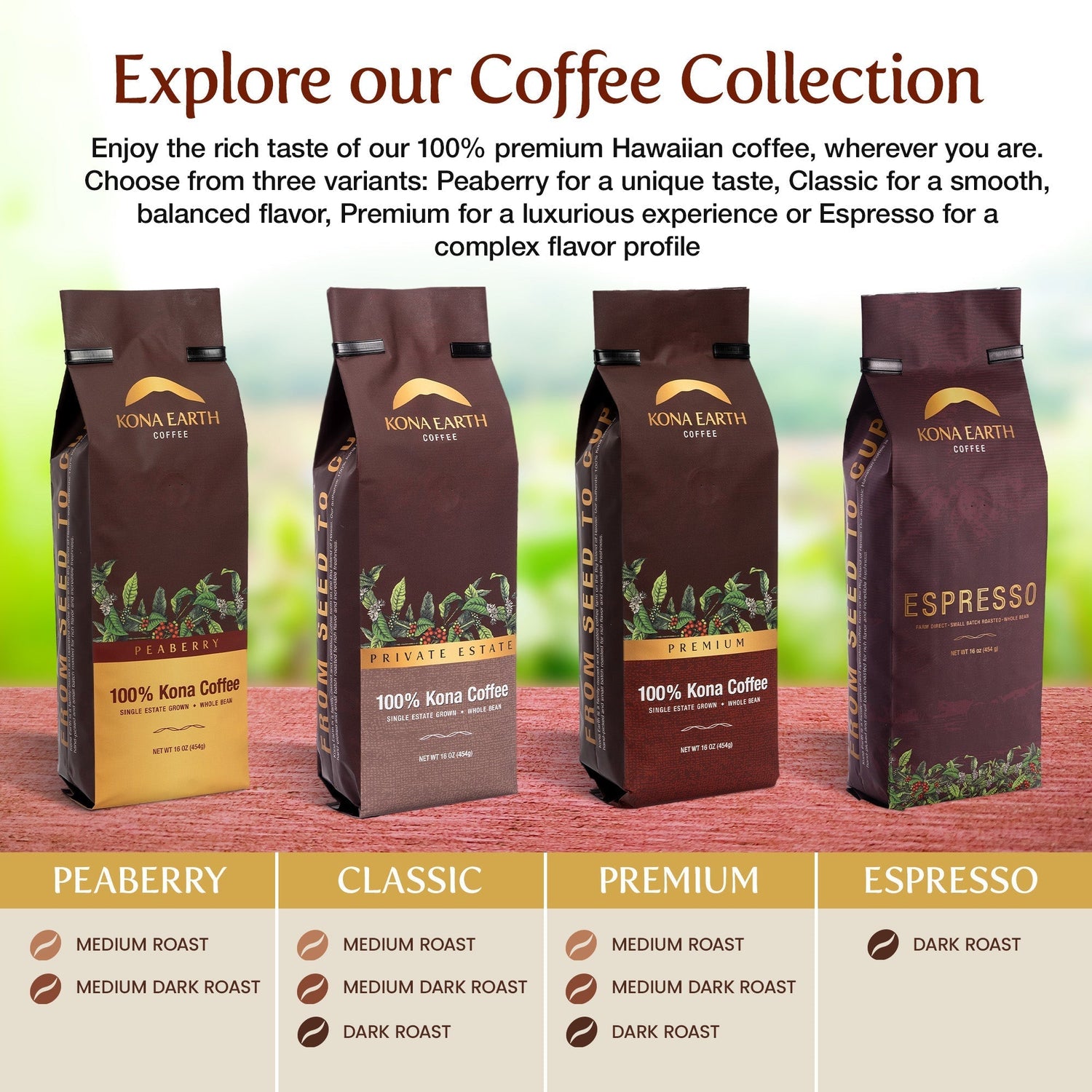
At Kona Earth, that commitment is built around award-winning 100% Kona Coffee, small-batch roasted and shipped from the farm for a fresher, more authentic Hawaiian coffee ritual. It is a luxury that still belongs in an everyday routine, whether enjoyed quietly at sunrise or shared after a memorable meal.
A Better Daily Coffee Ritual
Choosing coffee from a known American origin is a way to make an ordinary moment more intentional. You are not only selecting a flavor profile. You are choosing cultivation shaped by Hawaii’s land, a supply path with fewer unknowns, and a product whose name has a real geographic meaning.
Keep your beans sealed, away from heat and direct light, and buy an amount you can enjoy while it is fresh. Then give yourself a few unhurried minutes to grind, brew, and notice what is in the cup. When coffee begins on Kona’s volcanic slopes and reaches you through a farm-direct path, that daily pause can feel a little closer to paradise.
Comments (0)
Leave a Comment