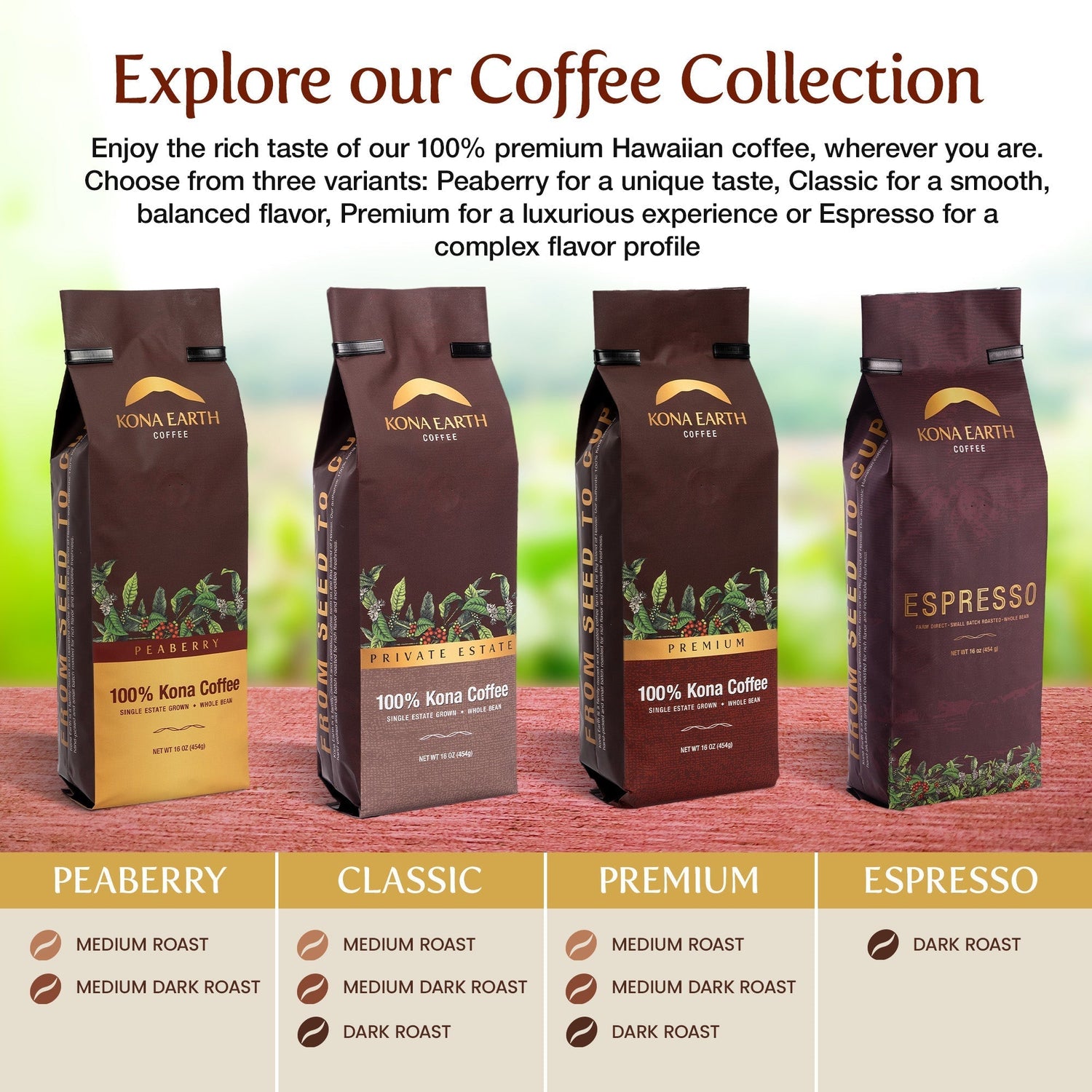

A coffee can claim premium status on a label. It cannot fake what happens in the cup. Award winning Kona coffee earns attention because the difference is immediate - a refined aroma, layered sweetness, gentle brightness, and a finish that feels polished rather than harsh. For buyers who care about origin, authenticity, and a more elevated daily ritual, that distinction matters.
What makes award winning Kona coffee different
The phrase matters most when it points to genuine quality rather than generic marketing. In Kona Coffee, awards should reflect careful cultivation, selective harvesting, and roasting that respects the character of the bean. When those elements align, the result is not simply expensive coffee. It is coffee with a clear sense of place.
That place is Kona, a narrow growing region on the slopes of Hawaii Island known for conditions that are unusually well suited to exceptional coffee. Bright mornings, afternoon cloud cover, mineral-rich volcanic soil, and a steady island climate create an environment where coffee cherries mature with balance. That balance shows up in the cup as elegance rather than excess.
True 100% Kona Coffee is especially valued because it delivers a profile that many luxury coffee buyers want but often struggle to find in crowded online marketplaces. It is smooth without tasting flat. It is nuanced without becoming overly acidic. It feels indulgent, yet remarkably easy to drink every day.
Why origin purity matters in award winning Kona coffee
If you are shopping for award winning Kona coffee, origin purity is not a detail. It is the foundation. The market has long been filled with products labeled as Kona blends, which may contain only a small percentage of actual Kona coffee. For a customer seeking the real thing, that creates confusion and disappointment.
100% Kona Coffee offers clarity. It tells you that the coffee comes from the region that made Kona famous, not from a diluted blend designed to borrow the name. That purity matters for flavor, but it also matters for trust. Premium coffee buyers are not just purchasing a beverage. They are purchasing proof of origin, confidence in sourcing, and the assurance that the experience will match the promise.
This is where a farm-direct, crop-to-cup model becomes more than a nice brand phrase. It reduces distance between the coffee's source and the customer, which helps preserve both quality and credibility. When coffee is fulfilled closer to its origin story, it feels more transparent and more intentional. For many buyers, that is part of the luxury.
The flavor profile that earns recognition
Award recognition in coffee should always connect back to sensory performance. With exceptional Kona Coffee, the appeal usually begins with aroma. The fragrance is inviting and clean, often showing soft sweetness and toasted depth rather than aggressive roast notes.
In the cup, the best lots tend to offer a smooth body, mild to medium brightness, and layered flavors that can suggest honey, brown sugar, nuts, cocoa, or gentle fruit. The key is harmony. Award winning Kona coffee is rarely about one overpowering note. It is about balance, refinement, and a finish that stays pleasing from the first sip to the last.
That balance is one reason Kona Coffee works so well for a wide range of drinkers. Seasoned specialty coffee buyers appreciate the nuance. Gift shoppers appreciate that it feels luxurious without becoming polarizing. And customers building a premium at-home routine appreciate a coffee that feels special on a Monday morning, not only on special occasions.
Awards mean more when the process is disciplined
Coffee does not become award winning by accident. Recognition usually reflects discipline at every stage, from the growing season through final roast. In Kona, where quality expectations are high, that discipline often starts with careful cherry selection. Ripe fruit contributes sweetness and clarity, while inconsistent picking can flatten the cup.
Small-batch roasting matters just as much. Roast too lightly and the coffee may feel underdeveloped. Roast too dark and the origin character can disappear under smoke and bitterness. The best award winning Kona coffee is roasted to highlight what makes Kona distinct, not to mask it.
Freshness is another factor buyers should not overlook. Even an exceptional coffee can lose its brilliance if it sits too long in the wrong conditions. For that reason, direct fulfillment and attentive handling are part of the premium experience. They help protect the aromas and subtle flavors that make Kona Coffee memorable.
How to shop for award winning Kona coffee with confidence
A premium label is only useful if it is backed by meaningful information. When evaluating award winning Kona coffee, look first for 100% Kona Coffee rather than a blend. That single detail immediately tells you more about authenticity than a long marketing paragraph ever could.
Next, pay attention to how the coffee is positioned. Serious producers tend to emphasize origin, batch quality, and direct sourcing rather than vague claims. They understand that customers shopping at the high end want specifics. They want to know why the coffee costs more and what makes it worth that investment.
Roast style also matters, and here it depends on what you value most. A roast that leans lighter may reveal more of Kona's brightness and sweetness. A slightly fuller roast may bring out deeper chocolate and toasted nut notes. Neither approach is automatically better. The best choice is the one that matches your taste while still preserving the coffee's origin character.
For gifting, award recognition adds reassurance. It signals that the coffee has earned distinction beyond packaging and presentation. That makes it a strong choice for holidays, client gifts, host gifts, and milestone occasions when you want something elevated and broadly appreciated.
Why premium buyers keep coming back to Kona Coffee
There is a reason customers who buy authentic Kona Coffee often turn it into a repeat ritual. It delivers a combination that is hard to replace - prestige, origin integrity, and a flavor profile that feels smooth and luxurious without asking for effort. It fits both the collector mindset and the everyday indulgence mindset.
That repeat appeal also comes from emotional value. Kona Coffee carries a sense of place that many luxury products try to imitate but cannot fully claim. The connection to Hawaii, the volcanic landscape, and the slower, more intentional pace associated with island living all add texture to the experience. For many buyers, the cup offers more than taste. It offers a brief shift in atmosphere.
A subscription can make that experience even more natural. For customers who know what they like, recurring delivery removes friction and keeps a premium routine consistent. It is a practical choice, but it also supports the idea that high-quality coffee should not be reserved for rare moments. It can be part of everyday life when the quality is truly there.
Award winning Kona coffee is worth a closer look
Not every premium coffee earns loyalty. Some rely on reputation alone. Award winning Kona coffee stands out when the quality is visible from source to roast to final cup. That means verified origin, careful production, and a flavor profile with the kind of balance that makes one cup lead easily into the next.
For shoppers who want authenticity instead of approximation, 100% Kona Coffee remains one of the clearest choices in the category. It offers credibility for experienced coffee buyers and immediate appeal for anyone seeking a more elevated gift or personal ritual. Brands built around direct sourcing and small-batch quality, including Konaearth.com, meet that expectation best when they keep the promise simple: real Kona origin, award-level standards, and a cup worthy of the name.
The best luxury coffee is not defined by hype. It is defined by how confidently it delivers, every time you brew it.
Comments (0)
Leave a Comment